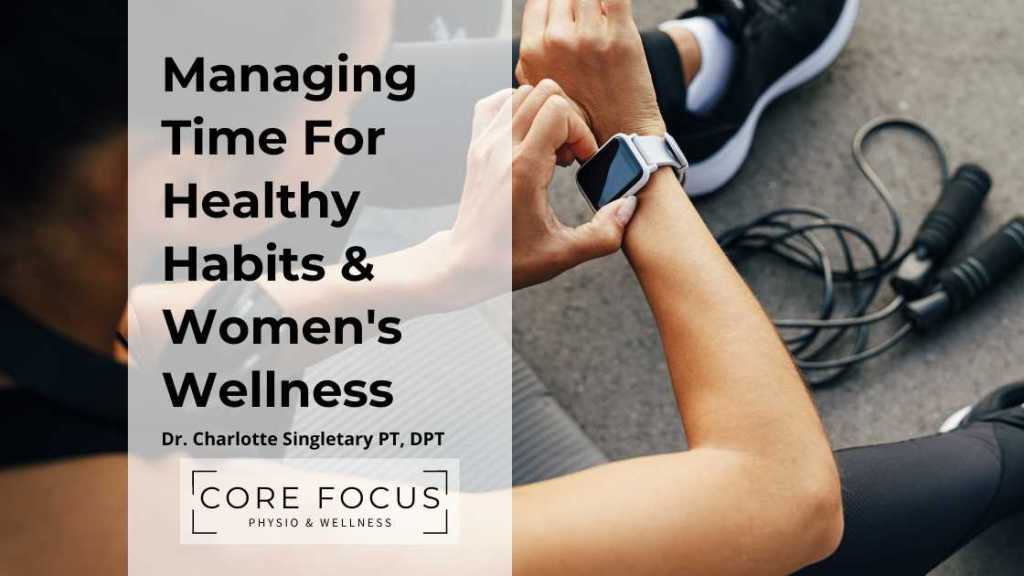
As women, our bodies and lifestyles change dramatically in our 30s, 40s, and 50s. Between work, family responsibilities, and the shifts that come with aging, wellness can often feel like an afterthought. But taking care of ourselves doesn’t have to be overwhelming. With small, intentional changes, you can build a sustainable routine supporting your health and well-being at any stage.
Making Time for Your Wellness
The story of the Tortoise and the Hare teaches us a valuable lesson: steady, persistent progress, accompanied by careful planning and unyielding determination, leads to success. Consequently, with each purposeful step, you hold the power to achieve remarkable feats.
Knowing what to do is so much different than actually doing the thing. You might have started planning and taking the first steps. You know the benefits and might have even experienced some of them in the short term:
- More energy
- Better mood
- Prevent illness
- Live longer
But how do you make time for wellness amidst life’s many demands? The key is to integrate small, manageable habits into your routine so they become second nature. Here are a few practical ways to prioritize your well-being:
- Schedule It In: Treat your wellness like an appointment—set aside dedicated time for movement, meals, and rest.
- Stack Habits: Pair a healthy habit with something you already do, like stretching while watching TV or drinking water before your morning coffee.
- Start Small: Even 5-10 minutes of movement or deep breathing can make a difference—consistency is more important than duration.
- Set Boundaries: Learn to say no to commitments that drain your energy and make room for what truly serves your health.
- Utilize Resources: Seek out tools, apps, or support groups to help keep you accountable and motivated.
When you make yourself a priority, wellness becomes an integral part of your life—not another task on your to-do list.
Move with Purpose
Exercise looks different for every woman, and that’s okay. The key is to move in a way that feels good and supports your body’s needs. Here’s how you can incorporate movement into your life without feeling like it’s another obligation:
- Strength Training: Your 30s and beyond are prime time to focus on bone density and muscle maintenance. Aim for two to three sessions a week of resistance training using body weight, bands, or weights.
- Low-Impact Cardio: Walking, swimming, or cycling can help improve heart health without adding unnecessary strain on your joints.
- Mobility and Stability Work: Incorporate yoga or Pilates to improve balance and flexibility, which become more critical as we age.
- Everyday Movement: Sneak in activity by taking the stairs, parking further from the store, or setting a timer to get up and stretch every hour.
Nourish Your Body Wisely
Eating well isn’t about restriction—it’s about providing your body with the nutrients it needs to thrive. Focus on these key strategies:
- Protein for Strength: Include sources like fish, tofu, eggs, and legumes to support muscle health and satiety.
- Healthy Fats: Avocados, nuts, and olive oil help support brain function and hormonal balance.
- Fiber for Gut Health: Load up on fruits, vegetables, and whole grains to aid digestion and maintain energy levels.
- Hydration Matters: Many common symptoms like fatigue and headaches stem from dehydration. Keep a water bottle handy and aim for at least half your body weight in ounces of water daily.
Prioritize Rest and Recovery
Sleep is often overlooked but is essential for overall wellness. As hormones fluctuate, sleep patterns can become more disrupted, but these tips can help:
- Consistent Bedtime: Aim to go to bed and wake up at the same time each day to regulate your body’s internal clock.
- Create a Sleep Sanctuary: Keep your bedroom cool, dark, and free from distractions like screens an hour before bed.
- Evening Wind-Down Routine: Try deep breathing, meditation, or a warm cup of caffeine-free tea to signal your body it’s time to rest.
- Short Naps for Energy: If you’re struggling with midday fatigue, a 20-minute power nap can be refreshing without affecting nighttime sleep.
Manage Stress Effectively
Chronic stress takes a toll on both physical and mental health, but simple strategies can help:
- Breathing Exercises: Deep breathing and mindfulness techniques activate the parasympathetic nervous system, promoting relaxation.
- Set Boundaries: Learn to say no to things that don’t serve you and make space for activities that bring you joy.
- Connect with Others: Strong social support is key to emotional well-being, so schedule time with friends or join a community group.
- Journaling or Reflection: Writing down thoughts and gratitude can help put things in perspective and reduce stress levels.
Regular Health Check-Ins
Your body changes over time, and regular check-ups can help you stay ahead of potential health concerns:
- Annual Physicals: Routine screenings for cholesterol, blood pressure, and diabetes are essential.
- Hormonal Health: If you’re experiencing fatigue, mood changes, or weight fluctuations, consult a healthcare provider about possible hormone imbalances.
- Bone Density and Heart Health: Regular screenings can help prevent osteoporosis and cardiovascular disease, which become more common with age.
Final Thoughts
Wellness isn’t about perfection—it’s about small, sustainable habits that support your overall well-being. Prioritize what feels good, be kind to your body, and remember that investing in yourself now will pay off for years to come. What’s one wellness habit you can start today?
Disclosures & Disclaimers
Hey there! Just a heads-up. When you click on my links and make a purchase, I might get a tiny commission. It doesn’t affect my honest reviews and comparisons one bit! I’m all about recommending stuff I’ve personally tried, genuinely love, thoroughly researched, and wholeheartedly endorse.
** The views and opinions expressed on this site belong to Vigeo Ergo Consulting LLC. Any advice or suggestions offered herein are not a replacement for medical advice from a physician or other healthcare professional. My blogs are for informational and entertainment purposes only. It is not a substitute for professional medical advice, diagnosis, or treatment.
 Core Focus Fit
Leave a comment