Today, I’m proud to celebrate another day of meeting all my goals! It feels amazing to look back and realize that the goals I’ve set aren’t over the top, restrictive, or dependent on superhuman energy. Instead, they’re practical and sustainable, giving me the momentum to keep moving forward.
For exercise, I embraced walking and yoga—simple yet effective movements that feel good and align with my current lifestyle. My eating habits focus on balance, not strict rules, and I’ve been intentional about cultivating a mindset that supports growth. The best part? I’ve set up my environment to help my future self succeed with ease, minimizing unnecessary steps or friction.
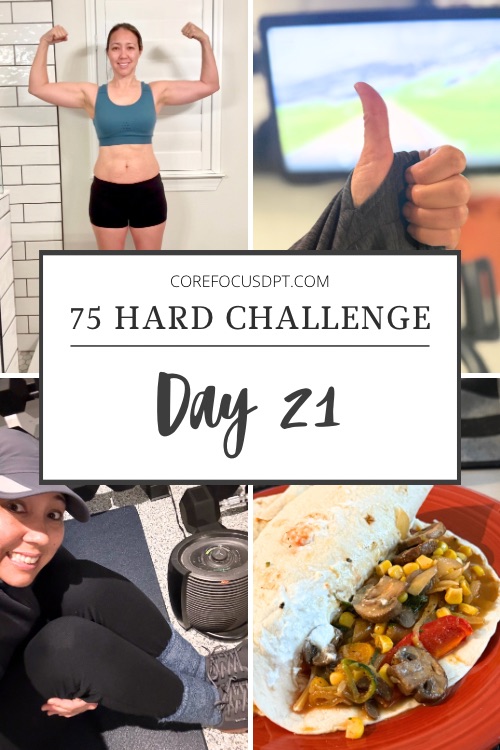
This approach resonates with James Clear’s philosophy in Atomic Habits: standardize habits before optimizing them. I want to become pescatarian, lifting heavier weights, and running longer distances. But for now, I’m mindful about my food choices and putting in consistent time—45-minute indoor or outdoor workouts—at an intensity that feels good rather than grueling. This isn’t about pushing myself to exhaustion; it’s about enjoying the process and building a foundation.
The Pitfall of “Too Much”
Sometimes, doing too much—whether it’s work, exercise, or even self-improvement—can backfire. Excessive effort adds stress to the body and can elevate cortisol levels. While cortisol is essential for responding to acute stress, chronic high levels can have serious consequences, including:
- Increased fatigue and decreased recovery.
- Disrupted sleep patterns, making you feel sluggish and unfocused.
- Cravings for unhealthy foods, especially sugars and fats.
- Reduced muscle-building capacity and increased fat storage, particularly around the midsection.
- Negative effects on mental health, such as heightened anxiety and irritability.
Instead of overloading myself with intense routines that spike stress levels, I’ve chosen a path of balance. I’ve learned that building habits should bring peace and satisfaction, not overwhelm.
A Realistic Schedule That Works
By establishing a realistic schedule with habits that are both easy and enjoyable, I’ve experienced less resistance from my body and mind. Small, consistent wins add up over time, creating a strong foundation without the pushback that often comes with overly ambitious plans.
For example, walking and yoga feel accessible yet effective, keeping me active without the dread of a strenuous workout. My eating habits are aligned with my long-term goals but allow enough flexibility to avoid feelings of restriction. These small adjustments have made adopting new habits quicker and smoother, paving the way for bigger goals in the future.
Foundations for Healing
Have you ever stopped to think about how your body knows where it is in space? This sense, called proprioception, is our body’s ability to perceive its position, orientation, and movement. It’s what allows you to move from point A to point B with coordination and confidence. But how does it work?
Our bodies are equipped with receptors that collect information about our movements, positions, and tensions in our muscles and joints. These receptors send signals to our brain, which interprets the data and helps us navigate the world.
However, when pain receptors are stimulated—due to injury, overuse, or inflammation—this system can become disrupted. Our ability to sense our body’s position becomes muddled, making our movements less coordinated and increasing the risk of further injury. It’s like trying to navigate a familiar path in dense fog: your sense of direction is off, and every step feels uncertain.
Start Small and Build
So, what can we do when pain or injury inhibits our proprioception? The key is to follow a step-by-step process that prioritizes healing while gradually restoring our body’s ability to move safely and confidently. Here’s the process:
- Protect and Rest
Start by protecting the injured area and allowing it time to rest. This minimizes further damage and gives your body a chance to begin healing. - Reduce Inflammation and Swelling
Inflammation and swelling can exacerbate pain and block proprioceptive signals. Use strategies like ice, compression, elevation, or other modalities recommended by your healthcare provider to address these issues. - Gently Stimulate Your Proprioceptors
Once the initial pain and swelling are under control, it’s time to reawaken your proprioceptors. Gentle movements like ankle circles, finger taps, or weight shifts help your body reconnect with its sense of position. - Progress Gradually
As your proprioception improves, you can safely begin more complex activities. This phase is about retraining your body to move in a coordinated and balanced way, laying the groundwork for future physical training.
Connecting Recovery to Habits
Recovering from an injury mirrors the process of building good habits, as outlined in Atomic Habits by James Clear. Clear emphasizes the importance of starting small and establishing a habit before trying to improve it. The same principle applies to physical recovery.
When you’re in pain, jumping straight into intense physical training isn’t just impractical—it’s counterproductive. Pain and swelling limit your range of motion and make movements uncomfortable or unsafe. Instead, focus on creating an environment that encourages you to take small, consistent steps forward.
For example, if you’re rehabbing an injured knee, you might start by practicing gentle, pain-free bending or isometric exercises. These small wins build confidence and lay the foundation for more challenging activities as your healing progresses. By choosing activities appropriate for your stage of recovery, you’ll maintain a sense of progress and avoid discouragement.
Peace and Purpose in the Process
Whether you’re retraining your proprioception after an injury or building a new habit in your daily life, remember: the key to success is consistency, patience, and a focus on progress over perfection. Healing and habit-building both take time, but each small step brings you closer to your goal.
This process reminds me of the boldness shown by Peter and John in Acts 4:1-22. Even when facing trials, they stood firm in their purpose, confidently proclaiming their faith. Their courage came from the training and peace they found in their relationship with Christ. Similarly, when we approach our physical trials with intentionality and the right steps, we develop not only strength but also a sense of peace and confidence within the process.
As I continue this journey, I’m reminded that it’s not about perfection or reaching the finish line overnight. It’s about finding joy in the steps along the way and setting myself up for long-term success. By standardizing these habits, I’m creating a solid foundation to optimize and grow—and that feels like something to be proud of every single day.
Let me know in the comments—I’d love to hear your thoughts and experiences as we navigate this journey together.
Disclosures & Disclaimers
Hey there! Just a heads-up. When you click on my links and make a purchase, I might get a tiny commission. It doesn’t affect my honest reviews and comparisons one bit! I’m all about recommending stuff I’ve personally tried, genuinely love, thoroughly researched, and wholeheartedly endorse.
** The views and opinions expressed on this site belong to Vigeo Ergo Consulting LLC. Any advice or suggestions offered herein are not a replacement for medical advice from a physician or other healthcare professional. My blogs are for informational and entertainment purposes only. It is not a substitute for professional medical advice, diagnosis, or treatment.
 Core Focus Fit
Leave a comment