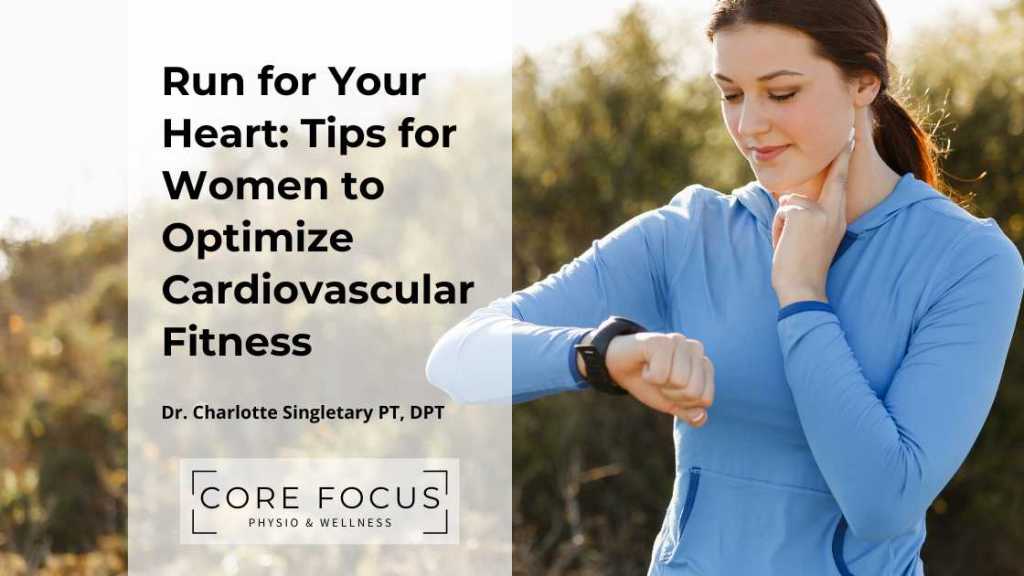
Running is one of the most effective ways to boost cardiovascular fitness, but women have unique physiological considerations when it comes to heart health and endurance training. Whether you’re an experienced runner or just starting, understanding how to optimize your workouts can lead to long-term benefits for both your heart and overall well-being.
The Cardiovascular Benefits of Running for Women
Running provides numerous benefits that directly support heart health. In fact, women may benefit more than men as “women who engage in aerobic exercise were 24% less likely to die from any cause and 36% less likely to die from a cardiovascular event – compared with 15% and 14%, respectively for men” (Ji et al). Some factors that may help to contribute include:
- Improved Heart Efficiency – Running strengthens the heart muscle, making it more efficient at pumping blood and reducing resting heart rate.
- Lower Blood Pressure and Cholesterol Levels – Regular aerobic activity helps manage blood pressure and improves lipid profiles by increasing HDL (good cholesterol) and lowering LDL (bad cholesterol).
- Reduced Risk of Heart Disease – Women who engage in regular running or jogging significantly lower their risk of developing cardiovascular diseases.
- Enhanced Circulation and Oxygen Utilization – Running promotes better circulation, helping the body efficiently transport oxygen to muscles and organs.
- Reduce Risk of Diabetes – exercise can help increase sensitivity to insulin (Nystoriak et al.)
- Stress Reduction – Cardiovascular exercise releases endorphins, reducing stress and supporting overall heart health.
Key Considerations for Women’s Cardiovascular Fitness
Running for at least 5-10 minutes a day at slow speeds reduced risk of death from cardiovascular disease significantly (Lee et al), but women have specific factors to consider when optimizing their running routine (Legerlotz et al.):
- Hormonal Fluctuations – Estrogen and progesterone levels can impact endurance, recovery, and energy availability. Tracking menstrual cycles can help tailor training intensity.
- Bone and Joint Health – Women are more prone to osteoporosis and joint stress, making strength training and proper footwear essential.
- Pregnancy and Postpartum Adjustments – Running can be a safe and effective activity during pregnancy and postpartum recovery when modifications are made based on individual needs.
- Iron and Nutrient Intake – Women, especially those who run long distances, need to monitor iron levels to prevent fatigue and anemia.

Tips to Optimize Cardiovascular Fitness Through Running
To get the most out of your running routine while supporting heart health, consider these key strategies:
1. Start with a Solid Warm-Up
A proper warm-up improves circulation, reduces injury risk, and prepares the heart for increased activity. Incorporate dynamic stretching, mobility exercises, and light jogging before running. Neuromuscular warm-up strategies have been found to reduce lower limb injury incidence (Herman et. al).
2. Incorporate Interval Training
Alternating between high and low-intensity running boosts cardiovascular endurance and fat metabolism. Try sprint intervals or hill training for added heart benefits.
3. Prioritize Strength Training
Building lower body and core strength enhances running efficiency, reduces joint stress, and supports overall cardiovascular health. Resistance training not only helps build and preserve muscle mass and strength but also provides beneficial physiological and clinical effects in reducing the risk of cardiovascular disease and its associated factors (Paluch et al.)
4. Listen to Your Heart Rate
Monitoring heart rate ensures that you’re training within the right intensity zones. Aim for a mix of moderate and high-intensity sessions for balanced heart health benefits.
5. Hydrate and Fuel Properly
Staying hydrated and consuming heart-healthy nutrients such as omega-3s, lean proteins, and antioxidants help optimize performance and recovery.
6. Wear the Right Shoes
Proper footwear provides necessary support, reduces injury risk, and enhances running efficiency. Choosing the right running shoe can enhance performance, reduce the risk of injuries, and support a safer, healthier running experience (Cardenas). Proper footwear provides essential cushioning, stability, and arch support, helping to absorb impact and reduce strain on joints and muscles. Additionally, selecting a shoe that matches an individual’s foot type and running style can prevent common issues such as blisters, plantar fasciitis, and overuse injuries, allowing for more efficient and comfortable movement.
7. Allow Time for Recovery
Rest and active recovery days prevent overuse injuries, support heart rate variability, and improve overall endurance.
Running as a Lifelong Heart-Healthy Habit
Running offers a powerful way for women to maintain cardiovascular fitness at every stage of life. By incorporating smart training strategies, proper recovery, and physical therapy guidance when needed, women can optimize their heart health through consistent and enjoyable running routines.
Make running a part of your heart-healthy lifestyle and enjoy the long-term benefits it brings to your cardiovascular system and overall well-being.
To break free from stagnation, we must keep moving—toward healing, growth, and even discomfort when it’s necessary. After all, motion is lotion. Movement heals.
Disclosures & Disclaimers
Hey there! Just a heads-up. When you click on my links and make a purchase, I might get a tiny commission. It doesn’t affect my honest reviews and comparisons one bit! I’m all about recommending stuff I’ve personally tried, genuinely love, thoroughly researched, and wholeheartedly endorse.
** The views and opinions expressed on this site belong to Vigeo Ergo Consulting LLC. Any advice or suggestions offered herein are not a replacement for medical advice from a physician or other healthcare professional. My blogs are for informational and entertainment purposes only. It is not a substitute for professional medical advice, diagnosis, or treatment.
 Core Focus Fit
Leave a comment