Heart disease is the leading cause of death for women in the United States, yet many remain unaware of their unique risk factors and prevention strategies. While exercise and diet are key components of cardiovascular health, a comprehensive approach often requires a team of experts.
Physical therapists work alongside doctors, nutritionists, and other healthcare professionals to provide targeted strategies that support heart health. From addressing pregnancy-related changes to managing the effects of hormonal fluctuations, physical therapy plays a vital role in optimizing movement, reducing stress, and enhancing overall cardiovascular function at every stage of life.
Understanding Women’s Unique Cardiovascular Challenges
Cardiovascular disease (CVD) remains the leading cause of death among women in the United States, responsible for nearly one in three female deaths (Garcia et. al.). Women experience cardiovascular health differently than men due to hormonal influences, pregnancy, and menopause. Some key considerations include:
- Hormonal Impact – Estrogen has a protective effect on the heart, but its decline during menopause increases the risk of high blood pressure, high cholesterol, and arterial stiffness.
- Pregnancy and Postpartum Changes – Increased blood volume and shifts in circulation during pregnancy can strain the cardiovascular system. Postpartum recovery may also involve managing blood pressure fluctuations and rebuilding endurance.
- Higher Stroke Risk – Women have a higher lifetime risk of stroke, often linked to conditions such as preeclampsia, gestational diabetes, and migraine-related vascular issues.
- Autoimmune and Inflammatory Factors – Conditions such as lupus and rheumatoid arthritis, which disproportionately affect women, can contribute to inflammation and cardiovascular complications.
How Physical Therapy Supports Heart Health in Women
Physical therapy offers a range of strategies to support cardiovascular function and overall well-being. Some key interventions include:
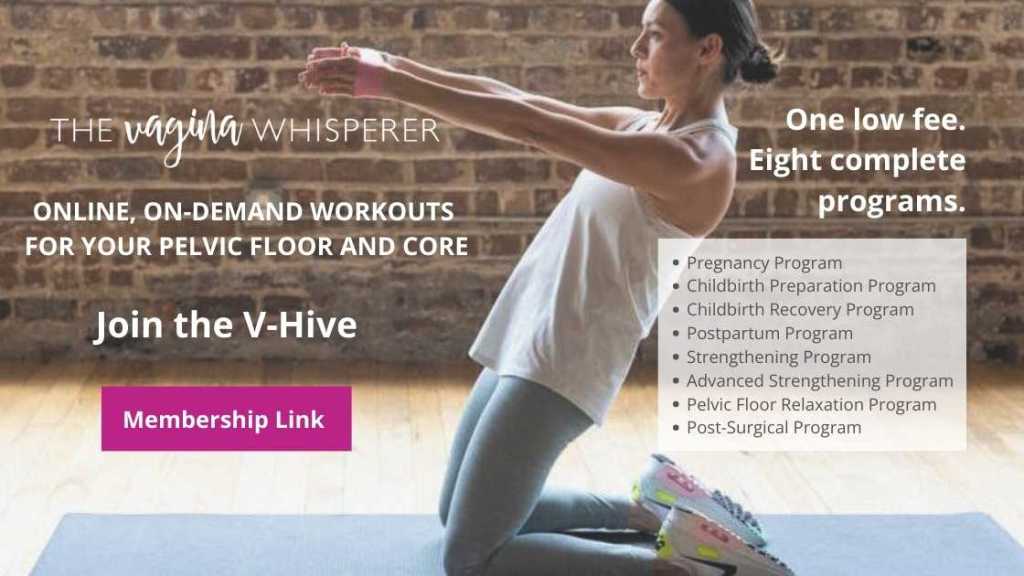
- Pelvic Floor and Core Strengthening – A strong core supports better posture and circulation, particularly for postpartum women or those experiencing diastasis recti.
- Cardiovascular Exercise Programs – Individualized walking, cycling, or aquatic therapy plans help build heart health safely and effectively.
- Breathing Techniques – Guided diaphragmatic breathing and breath control exercises improve oxygen exchange, lower stress levels, and support circulation.
- Posture and Movement Training – Addressing postural imbalances prevents strain on the cardiovascular system and enhances overall endurance.
- Stress and Pain Management – Therapeutic interventions, including manual therapy and relaxation techniques, help reduce stress, which is a major contributor to heart disease in women.
Heart-Healthy Lifestyle Strategies for Women
Beyond physical therapy, women can take proactive steps to protect their cardiovascular health (Ghodeshwar et. al):
- Engage in Regular Movement – Even small amounts of daily physical activity, like stretching or short walks, contribute to cardiovascular health. Consistency is key, as regular movement helps improve circulation, reduce inflammation, and maintain a healthy weight.
- Prioritize Sleep and Recovery – Quality sleep is essential, as poor sleep is linked to increased risk of hypertension, metabolic disorders, and heart disease. Aiming for 7–9 hours of restful sleep each night supports overall cardiovascular function and stress management.
- Adopt a Heart-Healthy Diet – A diet rich in leafy greens, lean proteins, whole grains, and healthy fats helps maintain balanced cholesterol and blood sugar levels. Avoiding processed foods, added sugars, and excessive sodium further supports heart health.
- Monitor Blood Pressure and Cholesterol – Regular screenings help detect early signs of hypertension or high cholesterol, allowing for timely intervention. Maintaining healthy levels reduces the risk of stroke, heart attack, and other cardiovascular complications.
- Manage Stress Effectively – Chronic stress elevates cortisol levels, which can contribute to high blood pressure and inflammation. Incorporating stress management techniques like mindfulness, meditation, or yoga helps regulate the nervous system and promote heart health.
Empowering Women Through Physical Therapy
By integrating physical therapy into a heart-healthy lifestyle, women can take proactive control of their cardiovascular well-being. Whether recovering from pregnancy, managing menopausal changes, or addressing chronic conditions, physical therapy offers customized solutions to support long-term heart health.
Investing in cardiovascular care through movement, posture correction, and targeted therapy ensures that women can lead active, heart-healthy lives for years to come.
To break free from stagnation, we must keep moving—toward healing, growth, and even discomfort when it’s necessary. After all, motion is lotion. Movement heals.

Disclosures & Disclaimers
Hey there! Just a heads-up. When you click on my links and make a purchase, I might get a tiny commission. It doesn’t affect my honest reviews and comparisons one bit! I’m all about recommending stuff I’ve personally tried, genuinely love, thoroughly researched, and wholeheartedly endorse.
** The views and opinions expressed on this site belong to Vigeo Ergo Consulting LLC. Any advice or suggestions offered herein are not a replacement for medical advice from a physician or other healthcare professional. My blogs are for informational and entertainment purposes only. It is not a substitute for professional medical advice, diagnosis, or treatment.
 Core Focus Fit
Leave a comment