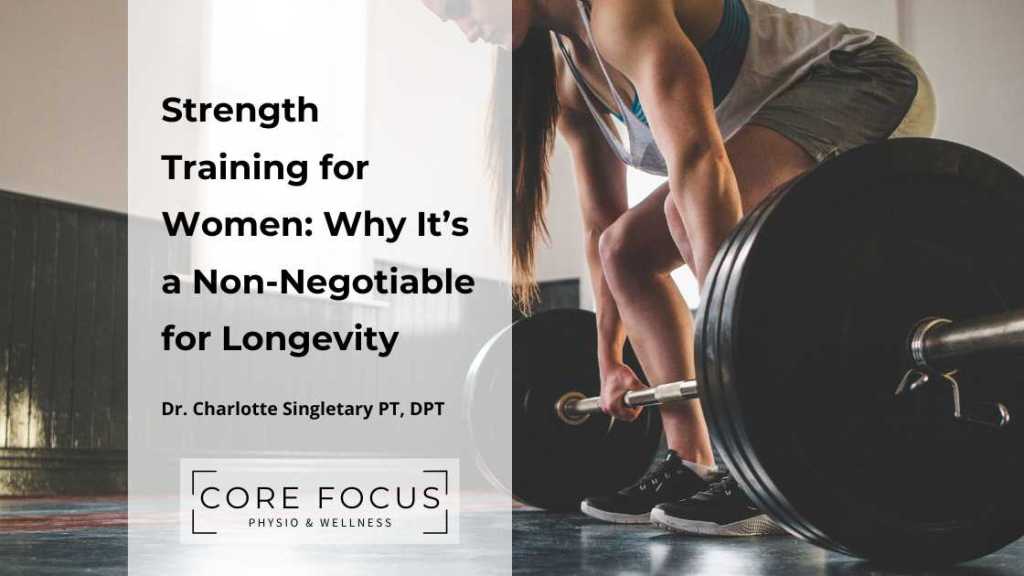

If there’s one thing I want every woman to know, it’s this: strength training is not just about how you look—it’s about how you live. And when it comes to staying strong, mobile, and energized for the long haul, resistance training isn’t optional. It’s essential.
Whether you’re in your 30s or beyond, here are 7 reasons why lifting weights needs to be a permanent part of your routine, plus one simple tip to help you start (or stay consistent).
1. Protects Bone Health
Women are at higher risk for osteoporosis, especially after menopause when estrogen levels decline. Resistance training is one of the most effective ways to maintain and even improve bone density. It works by placing mechanical stress on the bones, which stimulates osteoblast activity—the cells responsible for building bone.
To stimulate bone growth, bones must be exposed to forces greater than those experienced during daily life—something resistance training is uniquely designed to do. Progressive resistance training applies the mechanical load needed to trigger bone-building activity, helping to maintain and even increase bone mineral density over time. This makes it a critical strategy for reducing the risk of osteoporosis and age-related bone loss (Hong & Kim, 2018).
Build strong bones:
Aim for two to three strength sessions per week that include weight-bearing, multi-joint exercises like squats, lunges, and step-ups. Start with bodyweight or light dumbbells and gradually progress. Focus on 2–4 sets of 8–12 reps with rest between sets. You’ll build not just stronger muscles—but stronger bones too.
2. Preserves Muscle Mass
Sarcopenia—the age-related loss of muscle mass and strength—can start as early as your 30s and accelerates in your 50s and beyond. Without intervention, this gradual decline can lead to reduced mobility, increased fall risk, and slower metabolism. The good news? Strength training is a powerful way to counteract it.
Muscle and bone health are closely linked—not just biomechanically, but metabolically as well. When one system declines, the other often follows. That’s why conditions like osteosarcopenia, the combined loss of both bone and muscle mass, are becoming more common in aging populations. The good news? Resistance exercise (RE) has been shown to stimulate muscle growth while also protecting bone density, making it a powerful intervention for both (Hong & Kim, 2018).
Try this:
Focus on full-body strength workouts 2–3 times a week. Prioritize functional movements like squats, rows, glute bridges, and overhead presses. Use moderate to heavy resistance with 8–10 reps per set, gradually increasing as you get stronger. You can also add tempo variations—like slowing the lowering phase—to increase muscle tension and boost gains. Pair this with adequate protein intake to maximize results.
3. Boosts Metabolism
Muscle mass plays a big role in your resting metabolic rate—the number of calories your body burns just to keep you alive. The more muscle you have, the more energy your body uses, even at rest. That’s why building and maintaining lean muscle through strength training is one of the most effective ways to support long-term metabolism and body composition.
Beyond building muscle, strength training also creates what’s known as the “afterburn effect” (excess post-exercise oxygen consumption or EPOC), where your body continues to burn calories after your workout is over (WebMD, 2024). Combined with proper nutrition and recovery, this makes resistance training a metabolism-boosting powerhouse—especially helpful during midlife, when natural metabolic slowdowns begin.
Metabolism hack:
Do full-body strength workouts 2–4 times per week with compound exercises like squats, deadlifts, push-ups, and rows to build lean muscle and boost your resting metabolic rate. These movements work multiple muscle groups at once, helping you burn more calories during and after your workout.
To ramp up the metabolic effect, try supersets (two exercises back-to-back) or circuit training to keep your heart rate elevated. This combo of strength and intensity creates the “afterburn effect,” where your body continues burning calories long after your workout ends.
4. Improves Balance and Prevents Falls
As we age, maintaining strength and balance becomes essential—not just for fitness, but for safety and independence. Strength training enhances lower-body and core strength, which are key to improving balance and preventing falls. It also improves neuromuscular coordination, helping your body respond more quickly and effectively to sudden shifts in position, uneven terrain, or everyday stumbles.
Falls are a leading cause of injury in older adults—but strength training can significantly reduce that risk. By building lower body and core strength, resistance training improves your body’s ability to stay stable and recover quickly when balance is challenged.
According to research, exercise programs that include a combination of resistance training, balance training, and functional movements are the most effective for fall prevention. These types of exercises closely mimic the physical demands of everyday life, helping to improve balance, coordination, and strength in ways that directly carry over into daily tasks (Šarabon & Kozinc, 2020).
Try this:
Integrate functional strength moves like step-ups, sit-to-stands, and single-leg exercises into your routine. Add balance challenges such as standing on one leg or performing movements on an unstable surface. Aim for at least 2–3 sessions per week, and progress gradually by increasing load or complexity as your balance improves.
5. Supports Hormone Health
Your hormones influence everything from energy and mood to metabolism, muscle tone, and recovery. The good news? Strength training gives them a healthy nudge in the right direction.
When you lift weights, your body naturally increases levels of important hormones like testosterone and growth hormone—even for just 15 to 30 minutes after your workout. These hormones help build lean muscle, support bone strength, and improve your ability to recover and feel energized. What’s even better? You don’t need to train for hours to see these benefits. Workouts that use moderate to heavy resistance, short rest breaks, and target large muscle groups(think squats, rows, and presses) are especially effective (Kraemer & Ratamess, 2005).
Hormone support:
Pair your strength workouts with protein-rich meals containing 20–30 grams of protein to support muscle repair and keep your blood sugar steady—both of which help balance hormones like insulin and cortisol. Including protein shortly after your workout can also boost levels of growth hormone, which are key for recovery and tissue repair.
Just as important, aim for 7–9 hours of quality sleep each night. This is when your body resets, hormones rebalance, and your muscles rebuild—making it just as powerful as your workout when it comes to feeling strong, energized, and resilient.
6. Reduces Risk of Chronic Disease
Strength training isn’t just about building muscle—it plays a major role in protecting your long-term health. According to Harvard Health, resistance training can lower your risk of heart disease, Type 2 diabetes, and even certain cancers by improving insulin sensitivity, supporting healthy blood pressure, and improving cholesterol levels (Harvard Health, 2022).
It also helps reduce chronic inflammation, which is a key driver behind many diseases. As Dr. Edward Phillips from Harvard Medical School explains, strength training helps decrease specific fat cells that release pro-inflammatory signals into the body. By lowering inflammation, you’re also lowering your risk for conditions like heart disease, diabetes, and more.
Chronic Disease Hack:
Strength train at least twice a week to lower inflammation, improve blood sugar control, and protect your heart. Focus on full-body movements like squats, rows, and presses that activate large muscle groups. Pair your workouts with anti-inflammatory habits like daily walking, balanced meals rich in whole foods, and 7–9 hours of sleep. These simple steps work together to help reduce your risk of chronic disease and keep your body strong from the inside out.
7. Builds Confidence and Resilience
Strength training does more than change your body—it changes the way you see yourself. Research shows that resistance training can significantly improve self-esteem and self-efficacy, especially in women. As you get stronger physically, you also gain a greater sense of control over your body, your health, and your goals (Seguin et al., 2015).
The mental benefits are just as powerful as the physical ones. Women who engage in strength training often report feeling more capable, empowered, and less anxious. The process of setting goals, pushing through challenges, and seeing progress over time builds real-world confidence that extends far beyond the gym.
Try this:
Set small, achievable strength goals like doing 10 push-ups, holding a plank for 60 seconds, or increasing your dumbbell weight. Track your progress and celebrate each win—no matter how small. Over time, the confidence you build under the bar will show up in every part of your life.
Disclosures & Disclaimers
Hey there! Just a heads-up. When you click on my links and make a purchase, I might get a tiny commission. It doesn’t affect my honest reviews and comparisons one bit! I’m all about recommending stuff I’ve personally tried, genuinely love, thoroughly researched, and wholeheartedly endorse.
** The views and opinions expressed on this site belong to Vigeo Ergo Consulting LLC. Any advice or suggestions offered herein are not a replacement for medical advice from a physician or other healthcare professional. My blogs are for informational and entertainment purposes only. It is not a substitute for professional medical advice, diagnosis, or treatment.
 Core Focus Fit
Leave a comment