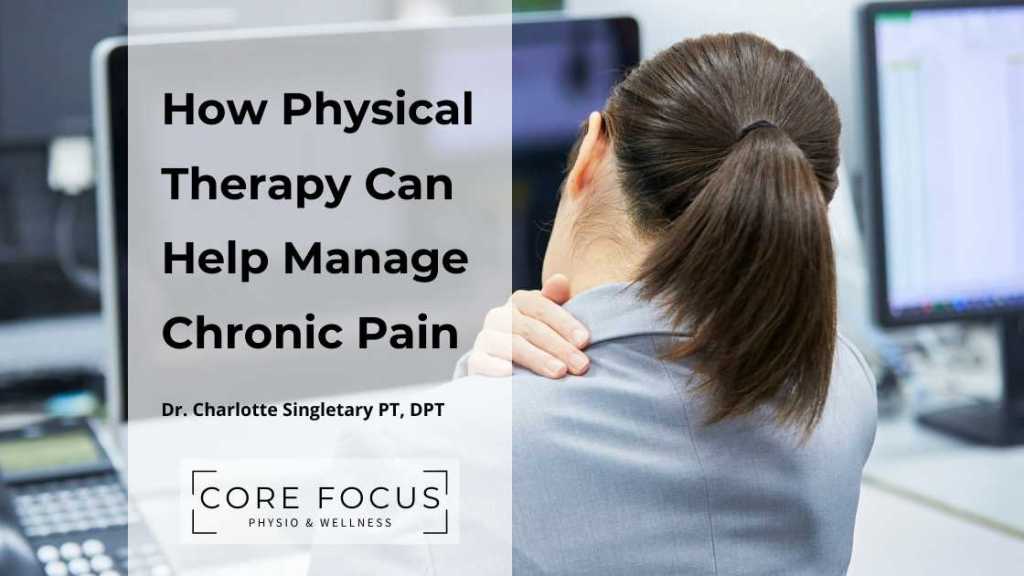

Living with chronic pain can feel overwhelming. It impacts not just your body, but your mood, energy, sleep, and ability to do the things you love. Many people assume that medication or rest are the only solutions, but physical therapy (PT) offers a proven, long-term approach to reducing pain and restoring function. By addressing the root causes of discomfort and teaching strategies for movement, strength, and balance, PT empowers you to manage pain in healthier and more sustainable ways.

Understanding Chronic Pain
Chronic pain is typically defined as pain that lasts for more than three months, even after the initial injury or illness has healed. Unlike acute pain, which serves as a protective warning signal, chronic pain can persist due to changes in the nervous system, muscle imbalances, or faulty movement patterns. Conditions like arthritis, fibromyalgia, low back pain, or repetitive stress injuries are common examples.
How Physical Therapy Helps
A physical therapist looks beyond the surface of your symptoms. Instead of simply treating pain, PT focuses on restoring your body’s ability to move freely and efficiently. Here are a few key ways PT helps manage chronic pain:
1. Individualized Exercise Programs
Exercise is one of the most effective treatments for chronic pain, but it must be tailored to your body. A PT designs specific programs that improve strength, flexibility, and endurance while minimizing strain. Gentle mobility drills, core stabilization, and progressive strength training help retrain the body to move without triggering pain.
2. Manual Therapy
Hands-on techniques such as soft tissue mobilization, joint mobilization, and myofascial release can reduce muscle tension, improve circulation, and enhance joint mobility. This not only decreases pain in the short term but also prepares the body for more effective movement during exercise.
3. Education on Posture and Movement
Many chronic pain conditions are linked to poor posture or repetitive stress. A PT teaches you how to adjust your body mechanics at work, home, or during exercise. Small changes—such as how you sit, lift, or carry objects—can significantly reduce daily discomfort.
4. Pain Neuroscience Education
Understanding how pain works is powerful. Physical therapists explain the difference between hurt and harm, helping you reframe pain signals and reduce fear of movement. This shift in mindset often makes exercise and activity feel safer, which is a crucial step in recovery.
5. Lifestyle and Home Strategies
PT isn’t just about what happens in the clinic. You’ll learn strategies to manage symptoms at home, such as breathing techniques, pacing activities, ergonomic adjustments, and relaxation exercises. These tools give you more control over pain throughout the day.
Why Choose PT for Chronic Pain?
Unlike passive treatments that provide only temporary relief, PT equips you with lifelong skills. By focusing on strength, mobility, and awareness, you’ll not only decrease pain but also improve function and confidence. This holistic approach addresses the root of the problem and supports a healthier, more active lifestyle.
Disclosures & Disclaimers
Hey there! Just a heads-up. When you click on my links and make a purchase, I might get a tiny commission. It doesn’t affect my honest reviews and comparisons one bit! I’m all about recommending stuff I’ve personally tried, genuinely love, thoroughly researched, and wholeheartedly endorse.
** The views and opinions expressed on this site belong to Vigeo Ergo Consulting LLC. Any advice or suggestions offered herein are not a replacement for medical advice from a physician or other healthcare professional. My blogs are for informational and entertainment purposes only. It is not a substitute for professional medical advice, diagnosis, or treatment.
 Core Focus Fit
Leave a comment