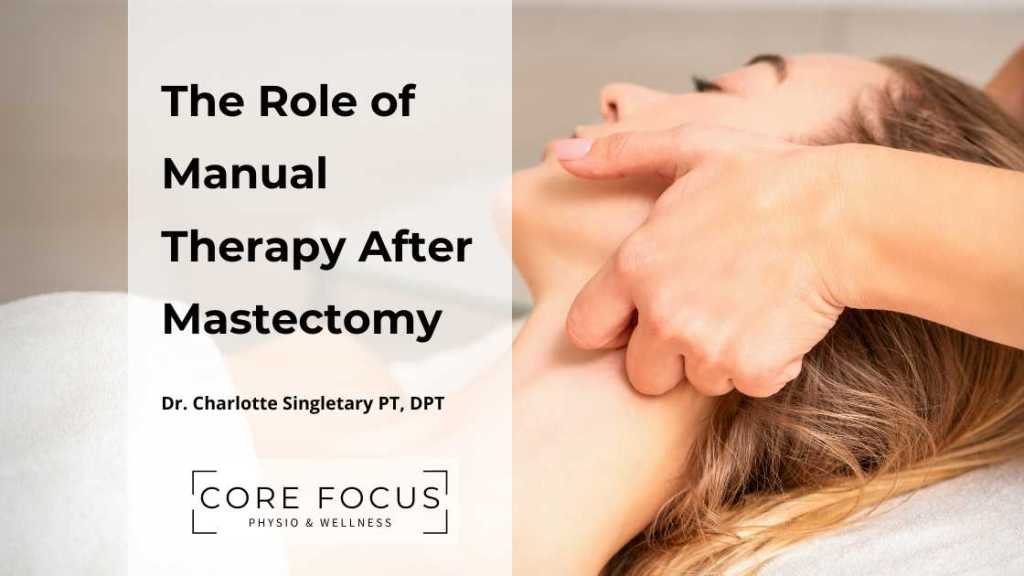

A mastectomy marks the beginning of a healing journey that extends far beyond the operating room. Whether it’s performed to treat or prevent breast cancer, this surgery can leave lasting changes in the body that affect comfort, posture, and movement.

Many women experience tightness across the chest, restricted shoulder motion, or a feeling of pulling or numbness near the scar. These sensations are common and often related to scar tissue formation, fascial restrictions, and protective muscle guarding.
While exercise and stretching play an important role in recovery, manual therapy provides hands-on support to help the body move and heal more freely. This therapeutic approach focuses on improving soft tissue mobility, circulation, and nervous system balance—all of which can help reduce pain and restore confidence after surgery.
What Is Manual Therapy and Why It Matters
Manual therapy is a collection of gentle, skilled techniques used by physical therapists to assess and restore movement in muscles, joints, and connective tissue. After a mastectomy, these techniques are tailored to address the specific needs of the chest wall, shoulder, upper back, and arm.
Common manual therapy methods used post-mastectomy include:
- Soft tissue mobilization: Gentle massage techniques that reduce tightness in the chest and underarm areas.
- Myofascial release: Helps loosen restrictions in the fascia, the connective tissue that can become tight after surgery or radiation.
- Scar tissue mobilization: Once incisions are fully healed, light manual work helps the scar move more freely and decreases tenderness or puckering.
- Lymphatic drainage: Supports circulation and reduces swelling, especially if lymph nodes were removed during surgery.
By combining these approaches, manual therapy not only helps restore physical function but also supports emotional healing. Many patients find that being touched in a safe, therapeutic way helps them reconnect with their body and feel more at ease during recovery.
The Benefits of Manual Therapy After Mastectomy
The physical and emotional benefits of manual therapy can be significant. Patients often report:
- Improved range of motion in the shoulder and chest
- Reduced pain, tightness, and swelling
- Softer, more flexible scars
- Better posture and breathing mechanics
- Decreased feelings of pulling or numbness
- Greater body awareness and comfort with movement
Manual therapy can also complement other parts of recovery, such as stretching, strengthening, and gentle aerobic exercise. When combined with a personalized home program, it supports long-term mobility and helps prevent compensatory movement patterns that can lead to discomfort or injury.
Working with a Physical Therapist You Trust
If you’ve had a mastectomy, it’s important to work with a physical therapist experienced in oncology or women’s health rehabilitation. They’ll ensure that manual therapy techniques are performed safely, respecting your healing tissue, incision sites, and comfort level.
Every recovery looks different, and the right therapist can help guide you through gentle progressions that match your body’s readiness. The goal isn’t just to move better—it’s to help you feel like yourself again.

Disclosures & Disclaimers
Hey there! Just a heads-up. When you click on my links and make a purchase, I might get a tiny commission. It doesn’t affect my honest reviews and comparisons one bit! I’m all about recommending stuff I’ve personally tried, genuinely love, thoroughly researched, and wholeheartedly endorse.
** The views and opinions expressed on this site belong to Vigeo Ergo Consulting LLC. Any advice or suggestions offered herein are not a replacement for medical advice from a physician or other healthcare professional. My blogs are for informational and entertainment purposes only. It is not a substitute for professional medical advice, diagnosis, or treatment.
 Core Focus Fit
Leave a comment