
Your breath does more than just move air, it sets the rhythm for how your body manages pressure. Every inhale creates a gentle downward force on the diaphragm, abdomen, and pelvic floor. Ideally, these structures expand and recoil together, creating a balanced system that supports the bladder. But when breathing becomes shallow or chest-dominant, often from stress, poor posture, or habitual tension, it increases pressure on the pelvic floor and bladder. Over time, this imbalance can contribute to leaking, urgency, or that “just in case” bathroom routine many of us fall into without realizing it.
When you retrain your breathing pattern to move with your diaphragm and relax the lower belly, your core starts working smarter. It’s not about taking giant breaths, it’s about allowing movement through the ribs, abdomen, and pelvis. This small shift can make a big difference in how your bladder feels and functions throughout the day.
The Pelvic Floor’s Role in Stability
Think of your pelvic floor as the foundation of your core system. It supports your bladder, uterus, and bowel while coordinating with your diaphragm and deep abdominal muscles to keep you steady and balanced. When that coordination is off—whether from childbirth, surgery, posture habits, or even chronic breath-holding—the pelvic floor can lose its ability to contract and relax effectively.
A well-functioning pelvic floor doesn’t stay “on” all the time. It moves with your breath, gently lifting on exhale and expanding on inhale. This responsiveness is what keeps pressure in check and supports your spine, hips, and bladder together. When trained properly, the pelvic floor becomes not just a support structure, but an active player in how your body stabilizes and moves.
Common Mistakes That Create Bladder Stress
Many people unknowingly increase bladder pressure through daily habits. Tucking your pelvis under while sitting, gripping your abs too tightly during workouts, or holding your breath when lifting heavy items, all of these create downward pressure that the bladder and pelvic floor must resist. Over time, that strain can contribute to leakage, urgency, or pelvic pain.
Even posture plays a role. When you slump or hinge from your back instead of your hips, it compresses the organs and limits how the pelvic floor can move. Learning to stack your ribs over your pelvis, relax your jaw and abdomen, and breathe deeply into your sides and back helps relieve unnecessary tension and restores better balance from the inside out.
How Physical Therapy Restores Balance from the Inside Out
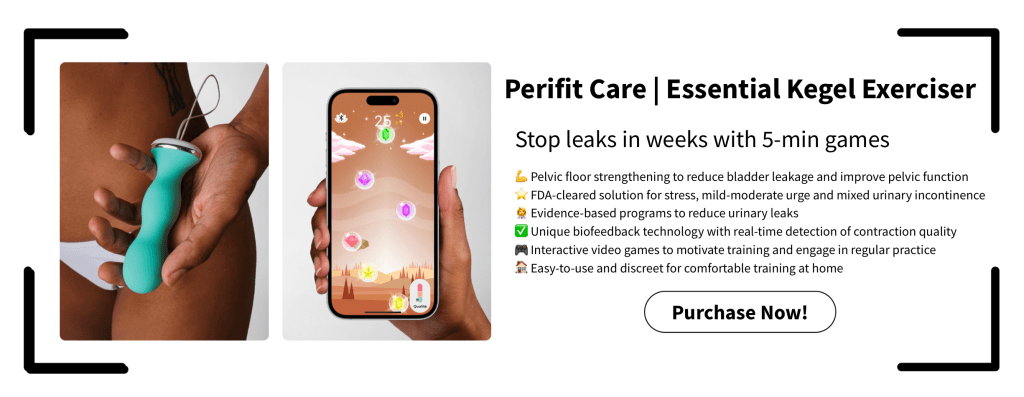
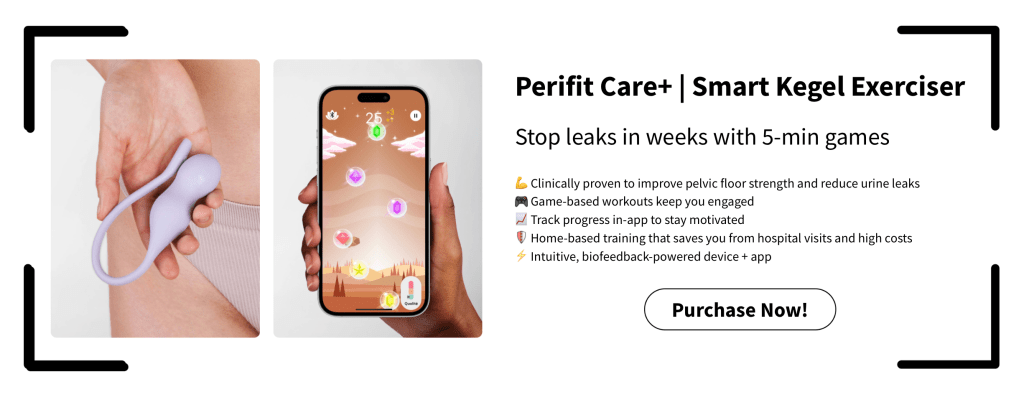
Physical therapy for bladder health goes beyond “just doing Kegels.” Through breathwork, posture training, and neuromuscular re-education, we retrain the body to move and manage pressure efficiently. At my practice, I focus on helping clients reconnect to their breath, rebuild core strength, and restore the natural rhythm between the diaphragm, deep abdominals, and pelvic floor.
This approach bridges the gap from rehab to real life—helping you move, lift, laugh, and live without worrying about leaks or discomfort. When your breath, posture, and core are aligned, your bladder health—and your confidence—can thrive.

Pelvic floor physical therapy helps you reconnect with your body, rebuild trust in your bladder, and return to doing the things you love without the constant worry of finding the nearest restroom. Because when you move well and your body feels balanced, you truly live well.

Disclosures & Disclaimers
Hey there! Just a heads-up. When you click on my links and make a purchase, I might get a tiny commission. It doesn’t affect my honest reviews and comparisons one bit! I’m all about recommending stuff I’ve personally tried, genuinely love, thoroughly researched, and wholeheartedly endorse.
** The views and opinions expressed on this site belong to Vigeo Ergo Consulting LLC. Any advice or suggestions offered herein are not a replacement for medical advice from a physician or other healthcare professional. My blogs are for informational and entertainment purposes only. It is not a substitute for professional medical advice, diagnosis, or treatment.
 Core Focus Fit
Leave a comment