

We’ve all done it! Using the bathroom “just in case” before a meeting, a walk, or heading out the door. While it feels like prevention, this habit can actually train the bladder to expect frequent emptying. Over time, it becomes overly sensitive, sending signals to urinate even when it’s only partially full. The result? More urgency, more frequency, and less confidence.

In physical therapy, we often start by addressing these learned habits. Your bladder isn’t weak, it’s just out of rhythm. Bladder retraining helps re-establish that rhythm, restore normal communication between the brain and bladder, and rebuild your confidence in daily life.
How Bladder Retraining Works
Bladder retraining is a behavioral program that helps your bladder hold urine for longer periods and respond appropriately to urges. It uses scheduled voiding, distraction, and breathing techniques to gradually increase bladder capacity and decrease urgency.
It begins with keeping a bladder diary, noting when you urinate, how much you drink, and any leaks or urges. This record helps your therapist design a personalized voiding schedule and track your progress. Over time, the bladder and brain relearn what “normal” fullness feels like.
Consistency is key in bladder retraining.
- Establish a regular rhythm: Empty your bladder first thing in the morning, possibly again after breakfast, and then try to go at consistent intervals during the day. A voiding schedule helps your bladder adjust to predictable patterns.
- Avoid “just in case” trips: Going too often reinforces the bladder’s sensitivity. Instead, teach it to wait until it’s truly full.
- Don’t rush: When the urge comes, it often passes after a few minutes. Practice calming yourself rather than running to the restroom. Walk slowly or go at a relaxed pace when you do go.
- Increase intervals gradually: If you normally go every hour, try to extend by five minutes for a few days, then ten, fifteen, and so on. Progress without stress. You’ll find it’s easier to achieve during the day before working toward nighttime control.
Distraction Techniques
When the urge to urinate hits early, practice strategies to calm the bladder and mind:
- Focus on breathing and tell yourself, “I will go in five minutes.”
- Sit down and lean slightly forward as if tying your shoes. This position changes abdominal pressure and may help the urge pass.
- Sit upright and gently contract your pelvic floor, drawing up and in, then relax.
These small actions train your nervous system to stay calm, giving you more control when the urge strikes.
Drinking Schedule: Drink Regularly and Enough
Many people drink less to avoid accidents, but that can actually make bladder irritation worse. Concentrated urine can inflame the bladder lining and increase urgency. Regular, adequate hydration is essential.
- Drink one to two glasses of water with or before every meal.
- Juices are fine between meals, and small amounts of coffee or tea are generally okay during the day. You may still have to eliminate these drinks in extreme urgency cases.
- Reduce fluids about two hours before bedtime for better sleep.
- Avoid diuretics like coffee, black or green tea, and alcohol before bed or before long outings. They increase urine production and may worsen urgency.
- You can use a timer to remind yourself when to drink or go, helping you stay consistent.
Bladder Retraining Instructions
- Empty your bladder as soon as you wake up to start your schedule.
- Go to the bathroom only at your set times, even if you don’t feel the urge.
- Use urge-suppression or relaxation techniques when the urge comes early.
- If the urge doesn’t pass, wait five minutes, then calmly go to the bathroom.
- When you reach your first goal, increase the interval between voids by 15 minutes each week until you reach a three- to four-hour window.
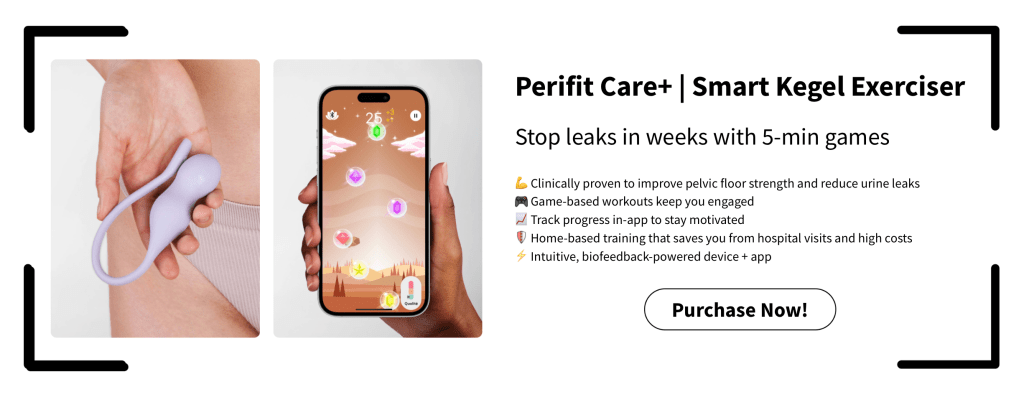
Role of Core and Pelvic Floor Synergy
Your bladder works alongside your diaphragm, deep core, and pelvic floor muscles. When these muscles are coordinated, they manage internal pressure effectively and prevent unnecessary urges. When they’re weak or tense, they can send the wrong signals to the bladder.
Pelvic floor therapy helps identify whether you need to strengthen, relax, or improve coordination. Breathing, posture, and movement training are key parts of restoring this natural synergy. It’s not just about “doing Kegels,” it’s about helping the whole system work together.

Do Not Let Setbacks Discourage You
Progress takes time, and setbacks are normal, especially when you’re tired, stressed, or not feeling well. Keeping your bladder diary helps track wins and identify patterns that may cause temporary flare-ups. Stay consistent, and give your body grace as it learns new habits.
With practice and patience, bladder retraining can transform daily life. Many people go from constantly scouting bathrooms to enjoying long walks, car rides, or workouts with confidence.
Bladder retraining isn’t about restriction, it’s about rhythm. With guidance from a pelvic health physical therapist, you can retrain your bladder, strengthen coordination, and reclaim the freedom to move through life without worry.

Disclosures & Disclaimers
Hey there! Just a heads-up. When you click on my links and make a purchase, I might get a tiny commission. It doesn’t affect my honest reviews and comparisons one bit! I’m all about recommending stuff I’ve personally tried, genuinely love, thoroughly researched, and wholeheartedly endorse.
** The views and opinions expressed on this site belong to Vigeo Ergo Consulting LLC. Any advice or suggestions offered herein are not a replacement for medical advice from a physician or other healthcare professional. My blogs are for informational and entertainment purposes only. It is not a substitute for professional medical advice, diagnosis, or treatment.
 Core Focus Fit
Leave a comment