
December often brings increased demands on both the body and nervous system. Travel, prolonged sitting, disrupted routines, and heightened stress can quietly alter breathing patterns, posture, and muscle tone. Many individuals notice increased tension through the shoulders, jaw, and rib cage, with corresponding changes in the pelvic floor, an often overlooked but essential component of core support.
Rather than viewing tension as a problem to fix, restoration focuses on returning the body to its natural, efficient state. The pelvic floor, diaphragm, and deep core muscles are designed to work with ease and adaptability. When stress alters these relationships, targeted restoration helps reestablish healthy function.
The Stress–Pelvic Floor Connection
Stress activates the sympathetic nervous system, often leading to shallow breathing and reduced rib mobility. When the diaphragm cannot descend and expand effectively, the pelvic floor frequently compensates by increasing tone. These two structures function as a coordinated pressure system, and disruption in one directly affects the other.

Reduced diaphragm movement often corresponds with increased pelvic floor tension. Over time, this may contribute to urinary urgency, difficulty fully emptying the bladder, pelvic pressure, hip or low back discomfort, and generalized core tension. These responses are adaptive rather than pathological, signaling a system that has been under sustained load and requires restoration rather than increased effort.
How Holiday Patterns Influence Core and Pelvic Floor Function
Seasonal changes in routine frequently involve prolonged sitting, altered sleep patterns, inconsistent exercise, and increased emotional stress. Collectively, these factors can reduce circulation, limit thoracic and hip mobility, and promote habitual bracing through the abdominal wall and gluteal muscles.
This sustained bracing pattern often reduces the pelvic floor’s ability to respond dynamically to changes in pressure and load. Muscles that are constantly holding tension lose their capacity to lengthen, coordinate, and support efficiently. A restoration-focused approach prioritizes down-regulation of tone, improved breathing mechanics, and gradual return to coordinated movement.
Restorative Tools That Support Pelvic Floor Health
The following tools are commonly used to support tissue mobility, breathing mechanics, and nervous system regulation. When used appropriately, they can complement a physical therapy-guided approach to pelvic health.
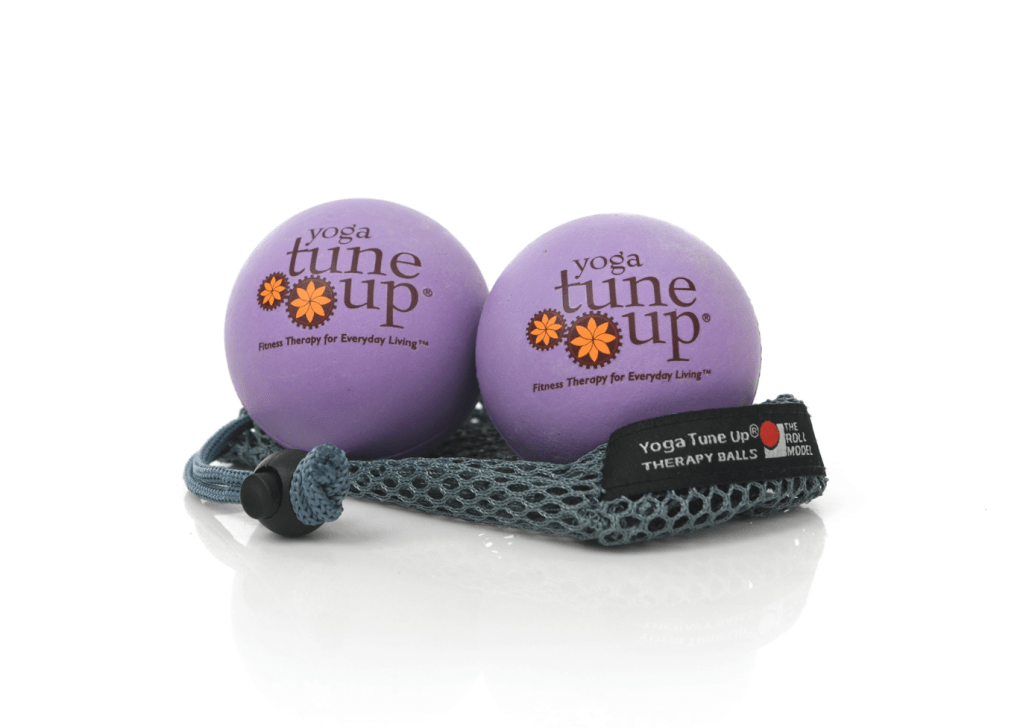
Tune Up Fitness Therapy Balls
These allow for targeted self-myofascial release in areas that influence pelvic floor function, including the diaphragm, adductors, gluteals, and thoracic spine. Gentle pressure can help reduce protective muscle tone and improve breathing excursion.
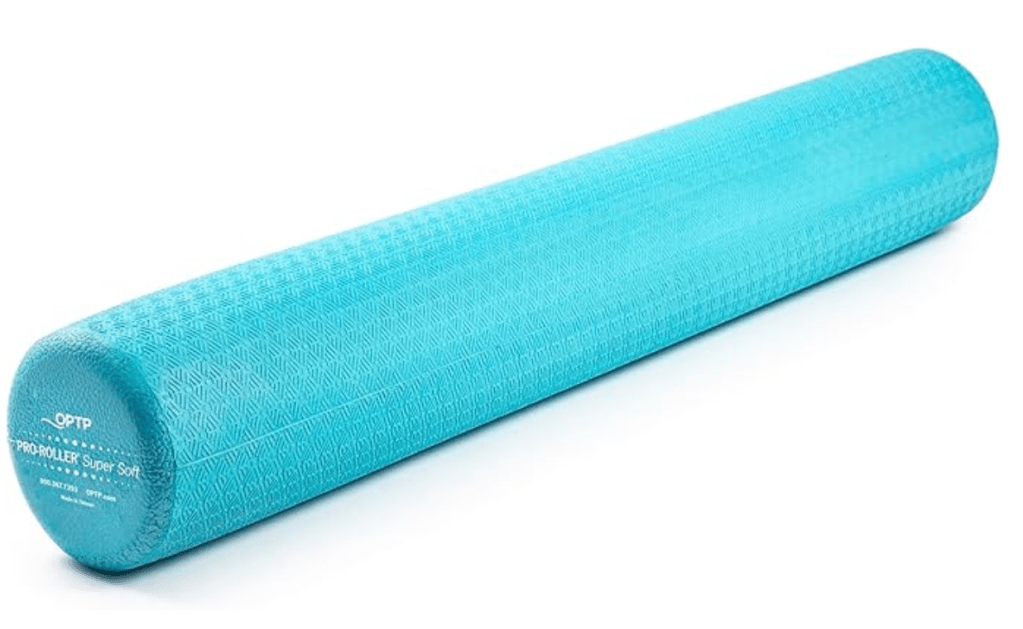
Foam Roller
Foam rolling supports circulation and global tissue mobility, particularly through the thoracic spine, lateral rib cage, and hips, regions closely linked to effective diaphragm and pelvic floor function.
Intimate Rose Pelvic Wand
The Intimate Rose Pelvic Wand provides precise, controlled access for stretching and releasing specific pelvic floor muscles. Its ergonomic design and medical-grade materials support safe, effective self-care for individuals with localized pelvic floor tension when guided by a qualified professional.

Cupping Set for Self-Myofascial Release
Cupping therapy promotes circulation and tissue glide, supporting muscle, nerve, and joint mobility. When used appropriately, it can assist in reducing myofascial restrictions that contribute to protective movement patterns.

Neck Support or Cervical Traction Pillow
Cervical and jaw tension are closely linked to pelvic floor tone via the nervous system. Supporting relaxation in this region can facilitate whole-body down-regulation.
Heat-Based Modalities
Infrared or weighted heating pads promote circulation and parasympathetic activation, supporting tissue relaxation and reduced muscle guarding.
Breathing Resistance Tools
Exhale-based resistance tools encourage improved diaphragm excursion and pressure regulation, which can support more balanced pelvic floor length-tension relationships.
Educational Resources for Breath and Core Integration
Understanding the role of breath in movement and nervous system regulation can be particularly helpful during periods of increased stress.
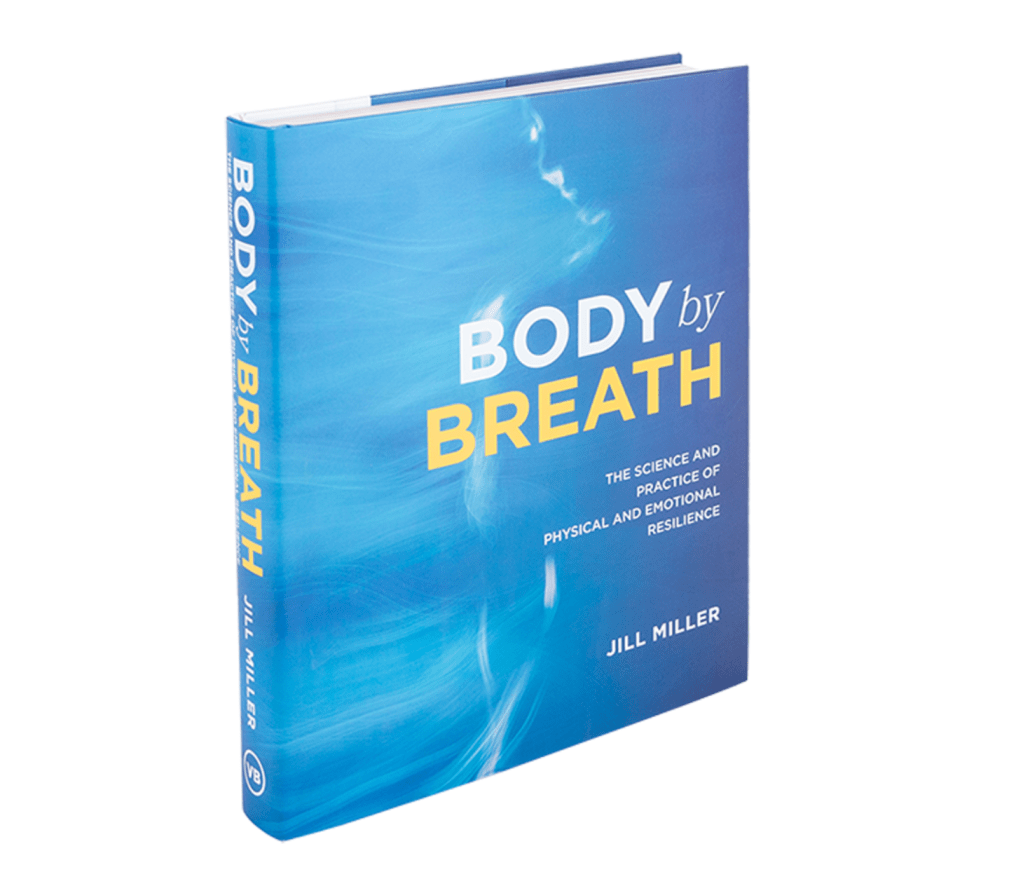
Body by Breath by Jill Miller
This resource explores the integration of breath, movement, fascia, and nervous system regulation. The techniques emphasize restoring natural breathing patterns and improving whole-body resilience through accessible, evidence-informed practices.
Additional recommended reading includes:
• Diastasis Recti by Katy Bowman
• The Body Keeps the Score by Bessel van der Kolk
• Breath by James Nestor
• Move Your DNA by Katy Bowman
Selecting the Appropriate Support Tools
Tool selection should be guided by individual presentation and current needs. Devices such as Perifit support neuromuscular coordination and strength development. Therapy balls and cupping tools assist with tissue release. Bands and yoga straps provide structured mobility and strength support, while Pilates balls facilitate gentle core engagement. Pelvic wands support targeted stretching when pelvic floor tension is present. Comfort-focused modalities may be most appropriate when symptoms are driven primarily by stress or fatigue.
In clinical practice, most individuals benefit from a balanced approach that includes elements of recruitment, release, stretching, and restoration.
Establishing a Simple Restoration Routine
Effective restoration does not require lengthy sessions. A brief, consistent routine may include focused breathing, gentle tissue release, and supported rest positions. Emphasizing slow, controlled exhalation can help signal the nervous system to reduce pelvic floor tone.
When the body is supported in this way, the pelvic floor is better able to coordinate, adapt, and function efficiently. Restoration allows the system to return to its natural state, improving comfort, confidence, and movement quality as the season progresses.

Disclosures & Disclaimers
Some of the links I share are affiliate links, including Amazon and select brand partners. If you choose to make a purchase through one of these links, I may earn a small commission—at no extra cost to you. This never influences my opinions. I only recommend products I’ve personally used, carefully researched, and genuinely love.
** The views and opinions expressed on this site belong to Vigeo Ergo Consulting LLC. Any advice or suggestions offered herein are not a replacement for medical advice from a physician or other healthcare professional. My blogs are for informational and entertainment purposes only. It is not a substitute for professional medical advice, diagnosis, or treatment.
 Core Focus Fit
Leave a comment