
December has a way of tightening everything: your shoulders, your schedule, your jaw, even the deep muscles that support your core and pelvic floor. It’s easy to slip into “hold it all together” mode this time of year. Between colder weather, long travel days, holiday prep, and shifting routines, your body absorbs the pace of life.
And here’s the secret, before you charge into January goals, workouts, or big plans, your body often needs the opposite of hustle. It needs space. It needs softening. It needs permission to exhale. When you release the tension you’ve been accumulating all year (especially through the diaphragm, hips, low back, and inner thighs) you create a healthier foundation for strength, stability, and better movement going into the new year.
Stretching & Pelvic Floor: Why It Matters
While the pelvic floor gets plenty of attention for strength, it thrives just as much from the ability to lengthen. A tight muscle is not always a strong muscle, and when the deep pelvic muscles grip all day, they can lose the ability to coordinate well. That’s when you might notice hip tightness, low back fatigue, tailbone discomfort, or leaks that show up at the worst times.

Gentle stretching improves blood flow, restores mobility in the surrounding hips and low back, and reduces the pressure that builds when we breathe shallow or brace without meaning to. When your pelvic floor can move, lifting, releasing, and responding to breath, you feel more grounded and more in control.
Focus on stretching through these key areas:
• Inner thighs and adductors, which connect directly to pelvic floor balance
• Hip rotators and glutes, where tension often travels during stress
• Low back muscles that cling on when life feels busy
• Diaphragm and rib cage, allowing for richer, deeper breathing
Release these first, and everything from walking to lifting to running becomes more effortless.
Breath-First Yoga That Helps Your Hips and Core Let Go
Yoga isn’t just about hitting the perfect pose. It’s about letting your breath guide the body into better alignment, softer muscles, and calmer systems. And the best part? Breath-first yoga gently massages your pelvic floor from the inside out.
Here are a few simple sequences that work beautifully at the end of a long day:
Supported Child’s Pose
Sink your hips back, widen your knees, and let your belly soften. Inhale gently into your sides and low back. Exhale and picture your pelvic floor relaxing downward, like you’re creating more room inside your pelvis.
Supine Twist with a Pillow
Lying on your back, let your knees fall to one side, supported by a pillow or bolster. This opens the obliques, low back, and rib cage, all places that get rigid when you’re rushing through December.
Happy Baby or Supported Deep Squat
These positions lengthen the pelvic floor while giving you space to breathe into your hips. Keep it restorative by supporting your back or hips with pillows if needed.
Diaphragmatic Breathing in 90-90 Position
Lie on your back with calves on a chair, inhale into your lower ribs, and let the exhale melt tension down your spine and pelvis. This pairing of breath and position gently resets your nervous system.
Small, simple, consistent moments like these help your core feel lighter, your hips feel freer, and your pelvic floor feel more responsive—without forcing anything.
Tools to Help You Feel Lighter, Longer, and More Mobile
The right tools can make release work more effective and more comfortable. And when it comes to easing muscle tension, improving mobility, and giving your pelvic floor space to breathe, a few items can make all the difference.
Here are some of my favorite release tools for this season:
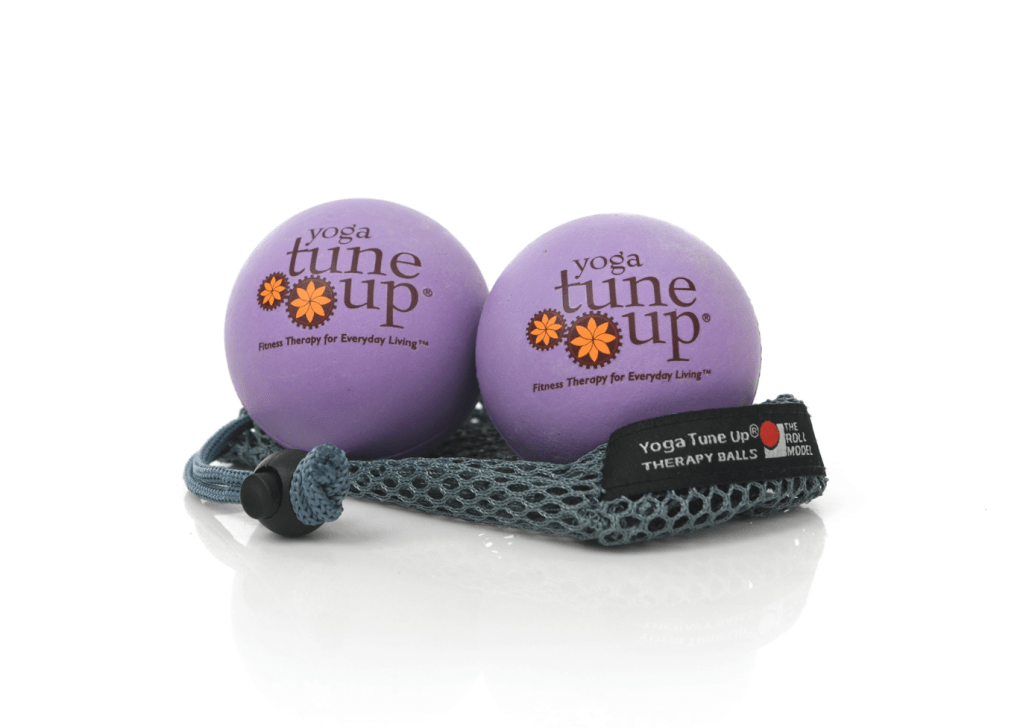
Tune Up Fitness therapy balls
Use them along your adductors, hip rotators, diaphragm, and even your psoas. These targeted rolling techniques help melt away layers of tension that stretching alone can’t reach.
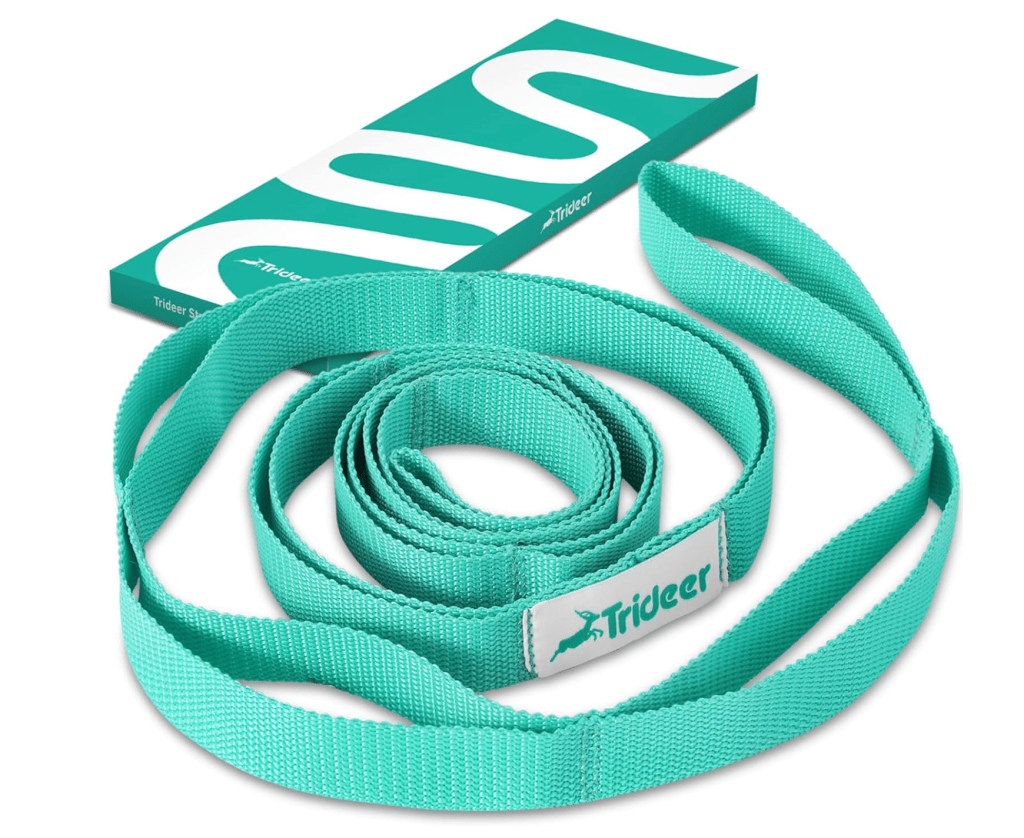
Yoga strap
Perfect for hamstring stretches, hip openers, or gentle supported positions. It’s an easy way to meet your body where it is instead of forcing mobility that isn’t ready yet.
Yoga block
Use it to support your hips in a deep squat, lift the floor closer to your hands in standing poses, or make restorative positions feel softer and more accessible.
A cushioned mat or bolster
These props help you relax without gripping or bracing. When your body feels supported, it lets go more easily.
Letting go before the year ends isn’t just a luxury, it’s an intentional choice to reset your body so you can step into January with more ease, more mobility, and a happier core and pelvic floor. Release first, rebuild next. Your body will thank you for not waiting until the new year to feel good again.
A small investment now creates a stronger foundation for the year ahead.
Disclosures & Disclaimers
Some of the links I share are affiliate links, including Amazon and select brand partners. If you choose to make a purchase through one of these links, I may earn a small commission—at no extra cost to you. This never influences my opinions. I only recommend products I’ve personally used, carefully researched, and genuinely love.
** The views and opinions expressed on this site belong to Vigeo Ergo Consulting LLC. Any advice or suggestions offered herein are not a replacement for medical advice from a physician or other healthcare professional. My blogs are for informational and entertainment purposes only. It is not a substitute for professional medical advice, diagnosis, or treatment.
 Core Focus Fit
Leave a comment