

As I move into 2026, the vision for Core Focus DPT feels steady, embodied, and sustainable. This year isn’t about extremes or pushing harder, rather, it’s about helping your body feel safe enough to get stronger, coordinated enough to move well, and supported enough to keep progress long term.

What I see every day is simple: people want to feel capable in their bodies again without living in cycles of tension, flare-ups, or constant uncertainty. That’s the heart of the Core Focus DPT approach for 2026.
A 2026 Vision Built on Stability, Awareness, and Capacity
Core Focus DPT supports adults who want to stay active and move with confidence in daily life. This approach tends to resonate especially well with women in midlife who are seeking sustainable, preventative care.
The foundation stays clear and intentional
• Strength without gripping or bracing through tension
• Movement that supports the nervous system
• Education that replaces uncertainty with understanding
• A clear bridge from rehab to real-world movement
Progress doesn’t come from doing more. It comes from doing what your body can actually integrate.
We lay the groundwork for nervous system resilience by increasing stress tolerance through graded exposure, or rebuilding trust between the brain and body while training resilience for everyday stress and movement.
We don’t remove you from stress; we teach your body to meet real-life demands until they require less effort.
Expanding Care: Nervous System, Vision, and Sensory Input
In 2026, care at Core Focus DPT continues to expand beyond muscles and joints alone. Your nervous system plays a central role in how you move, stabilize, and recover.
That means intentionally integrating
• Gentle touch and self-contact to improve body awareness
• Stretch and proprioceptive input to help the brain map movement accurately
• Vision-based strategies that help you orient to your space, feel grounded, and interact with the world more confidently
This central nervous system–informed approach supports balance, coordination, pelvic floor function, and overall movement efficiency without forcing or overriding the body’s protective responses.
Partner Brands That Support Real-World Progress
In 2026, I continue to partner with brands and collaborators that align with this grounded, evidence-informed philosophy.
Collaborative care with Haven Family Health remains an important part of supporting whole-person health beyond isolated symptoms.
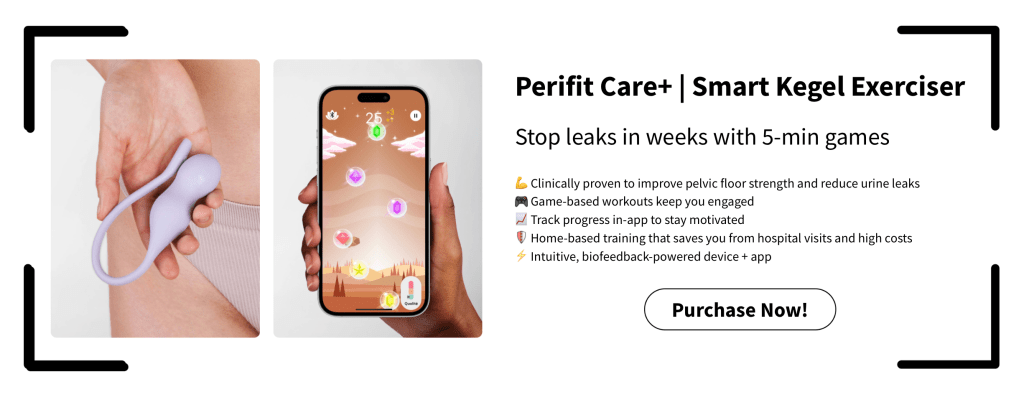
For pelvic floor coordination and confidence, I proudly partner with Perifit, which provides real-time feedback to help retrain timing, coordination, and control, which is especially helpful when returning to impact, lifting, or running.
I’m also honored to partner with Intimate Rose, offering thoughtfully designed tools that support gentle self-exploration, mobility, and recovery at home, while helping normalize pelvic health care and anatomy education.
For recovery, awareness, and tension release, I continue to recommend select tools from Tune Up Fitness when appropriate, always paired with education.
And yes! There is a new partner coming soon that will help bring this entire nervous-system-informed, rehab-to-real-life approach together. More details to come!
How to Start Now: Simple, Actionable Steps for 2026
You don’t need to wait for a new program or perfect routine to begin moving toward these goals. Here are practical ways to start right now:
1. Walk daily with awareness.
Take a 10–20 minute walk and focus on posture, relaxed arms, and steady breathing. Let walking be a nervous system capacity building, not a workout to “win.”
2. Add one strength movement you can repeat weekly.
Choose one or two simple strength exercises and practice them consistently instead of constantly changing routines. Familiarity builds confidence and coordination.
3. Practice gentle self-touch for body awareness.
Place a hand on your rib cage, abdomen, or hips while breathing. This simple input helps your brain reconnect with your body and reduce protective tension.
4. Look around your space on purpose.
Spend a few moments letting your eyes scan the room or horizon. Vision helps regulate the nervous system and improves balance and movement confidence.
5. Normalize anatomy—starting with yourself.
Use clear, respectful language when thinking or talking about your body. Understanding your anatomy reduces fear and makes it easier to ask for help early.
6. Choose tools that support coordination, not force.
If using at-home tools, prioritize those that help you sense timing, control, and relaxation—rather than just strength or intensity.
7. Ask questions before symptoms escalate.
Small issues are easier to address when caught early. Education and guidance are part of prevention, not a last resort.
Looking Ahead
2026 at Core Focus DPT is about steady progress, nervous system safety, and practical tools that support real life. Strength can be gentle. Education can be grounding. And taking care of your physical health doesn’t need to feel overwhelming.
If this vision resonates with you, the intention is not for you to rely on ongoing care, but to leave with clarity, skills, and confidence you can use for years to come. I’m always here when questions come up or support is needed, but the foundation is built for long-term independence.
Disclosures & Disclaimers
Some of the links I share are affiliate links, including Amazon and select brand partners. If you choose to make a purchase through one of these links, I may earn a small commission—at no extra cost to you. This never influences my opinions. I only recommend products I’ve personally used, carefully researched, and genuinely love.
** The views and opinions expressed on this site belong to Vigeo Ergo Consulting LLC. Any advice or suggestions offered herein are not a replacement for medical advice from a physician or other healthcare professional. My blogs are for informational and entertainment purposes only. It is not a substitute for professional medical advice, diagnosis, or treatment.
 Core Focus Fit
Leave a comment