January 14, 2026
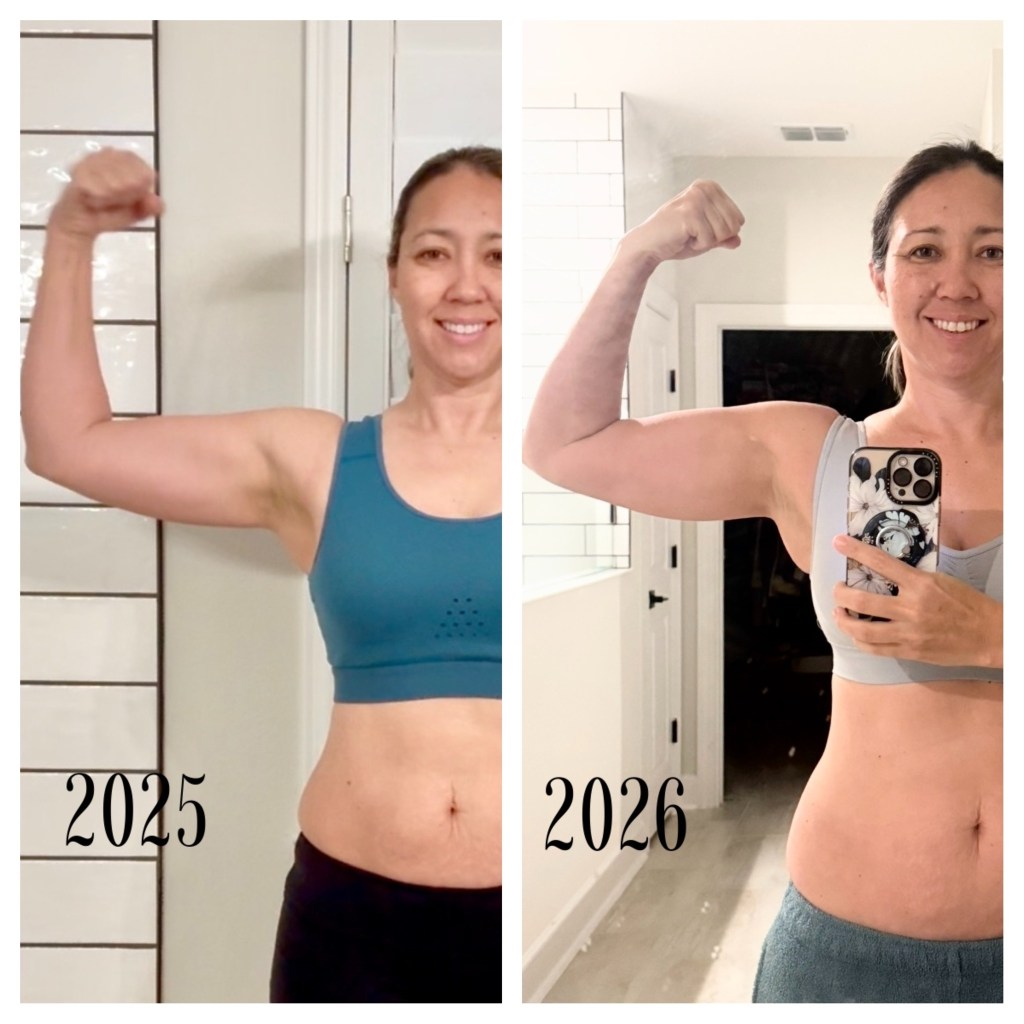
Coming back to 75 Hard a year later has been eye-opening in the best way.
This second round has felt easier, not because it’s objectively easier, but because I’ve already lived it once. I know what to expect. I know where the mental friction points are. And more importantly, many of the habits I built the first time never fully left.
That’s the quiet power of habit formation when it’s done well.

Over the past year, I realized that I’ve been consistently using temptation bundling and habit stacking, concepts I originally learned from James Clear’s book Atomic Habits, without even thinking about them. They became so embedded into my daily rhythm that I honestly forgot where I learned them from. That’s when you know a habit has stuck.
Temptation Bundling: Making Space for Joy
One of the biggest examples is movement.
Long walks and workouts are no longer something I have to “talk myself into.” They’ve become something I genuinely look forward to because they’re bundled with things I enjoy, like listening to my favorite podcasts or playlists. That time has become mine. It’s where I get to immerse myself in my interests and mentally step away from mothering, wifing, working, and decision-making.
Movement isn’t just exercise anymore, it’s restoration.
Habit Stacking: Front-Loading What Matters
Water is another perfect example.
Last year, drinking a gallon of water felt like a daily hurdle. This year, it barely registers as a challenge because I spent months stacking it onto my morning routine. Front-loading hydration became automatic. The habit didn’t just help me complete 75 Hard, it changed how my days start year-round.
Mindful Eating, Not Starting Over
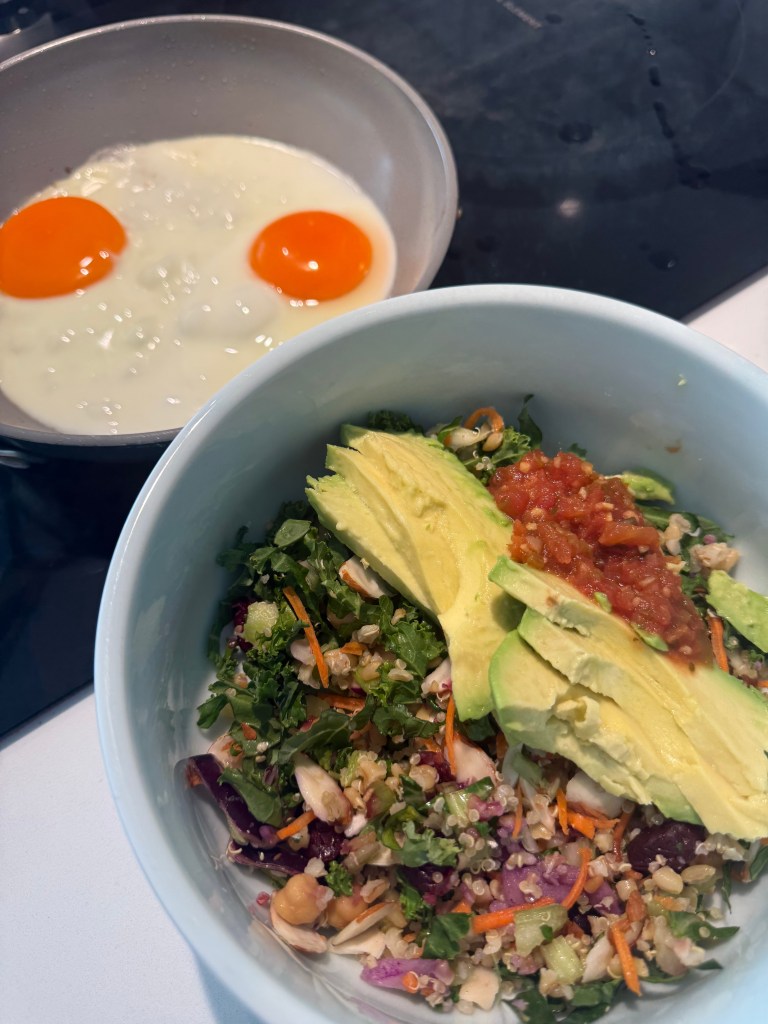
Nutrition this time around hasn’t felt like a dramatic reset.
I didn’t stray far from my habits after my first round of 75 Hard. I maintained my weight through the summer, which is huge for me. Historically, the holidays are where things unravel. And while I did gain some weight this season, it wasn’t the usual 20+ pounds. Rather, it was closer to 10 pounds, and I’ve already lost it in the past two weeks.
That’s progress!
Shifting the Goal: Performance Over the Scale
Right now, my goal isn’t about a number on the scale.
I’m thinking more in terms of fighting weight, or maybe more accurately, running weight. I care less about how much I weigh and more about whether I’m giving my body what it needs to perform well, recover well, and stay healthy long-term.
That shift alone feels like a reward.
Rewards Still Matter, Just with Boundaries
Here’s the part that matters most: I’m not always working towards getting stronger, faster, leaner, or better.
There is a time to push and a time to seek rest. And hopefully acknowledging and finding joy in between. That means rewards still have a place, even in mindful eating. I can choose a serving of a yummy dessert (yes, even cake), but I do it intentionally. I decide what and when ahead of time because I know how quickly “one more won’t hurt” can open the floodgates.
I enjoy savory just as much, so sometimes my reward looks like an extra serving of steak instead. And honestly? That hits the spot just as well.
Rewards Beyond Food
And rewards don’t have to be food at all.
Sometimes they look like:
- Updating a playlist
- Buying a new book
- Finding a new running route
- Changing the scenery just enough to feel refreshed
Rewards are about engaging your senses and breaking out of the ordinary. Joy can be found in almost anything when you slow down enough to notice it.
That’s the lesson I’m carrying forward on this anniversary of one year later.
Week 3 Table of Contents
January 14, 2025
As I cross the 14-day mark of my habit-building journey, I find myself at an interesting crossroads. On one hand, I’m thrilled with the results I’ve achieved so far. Many of the habits I committed to two weeks ago are now starting to feel almost automatic. But on the other hand, I’ve noticed that the excitement I felt in the beginning is fading. My routine is becoming just that: a routine. And if I’m honest, it’s starting to feel a little monotonous.
This is where James Clear’s advice on making habits attractive really resonates. In his book Atomic Habits, he talks about how the anticipation of a reward motivates us to take action. It’s not just the reward itself that drives us—it’s the desire and excitement we feel leading up to it. Dopamine levels rise when we anticipate something enjoyable, making us more likely to follow through. Clear suggests tools like temptation bundling and habit stacking to tap into this natural motivator.
So, I’ve decided it’s time to implement a reward system to breathe new life into my routine. Here’s how I plan to do it:
1. Temptation Bundling
I’ll pair activities I need to do with things I already enjoy. For example, I love listening to podcasts, but I don’t always look forward to meal prepping. By bundling the two, I’ll only allow myself to listen to my favorite podcasts while preparing my meals for the week. This way, I’m motivated to tackle an essential task because it’s tied to something I genuinely look forward to.
2. Habit Stacking
Some of my new habits feel almost automatic, which is fantastic. But there are others I’m still working to solidify. By linking these less consistent habits to ones I already do without thinking, I’ll create a chain reaction. For instance, after I brush my teeth in the morning, I’ll immediately go into a short meditation session. That existing habit of brushing my teeth becomes the cue for my next action.
3. Reward Milestones
Beyond the immediate gratification of temptation bundling, I’m also setting up milestones for bigger rewards. For example, if I stay consistent with my routine for another 14 days, I’ll treat myself to something special, like a new workout outfit or a day trip to a favorite hiking spot. These rewards will give me something to look forward to and help keep the process exciting.
4. Reflecting on Progress
Finally, I’m reminding myself to celebrate the small wins. Taking a moment to reflect on how far I’ve come, even in these first 14 days, helps me see the value in sticking with my habits. Seeing the progress I’ve made is a reward in itself.
If you’re also finding your routines a bit stale, consider how you can incorporate rewards into your habits. Whether it’s through temptation bundling, habit stacking, or setting milestone treats, these strategies can help reignite your motivation and keep you on track. Remember, the goal isn’t just to build habits—it’s to create a lifestyle you enjoy living.
Let’s keep going, one step at a time. After all, consistency beats intensity every day.
Tying It All Together: The Helmet of Salvation
As I reflect on my progress and the need to protect my journey, I’m reminded of my recent Bible study on the Helmet of Salvation. This piece of armor represents the protection of our minds and the assurance of salvation. It’s a powerful metaphor for guarding the new me I am striving to design. By staying consistent with my habits and implementing a reward system, I’m not just building physical and mental strength—I’m also creating space for spiritual growth.
When I make time for self-care, I find that my body and mind are more comfortable and available for praying, meditating, and worshipping. Additionally, as I become more organized with my schedule, I’m better able to manage my time for the things I truly want to accomplish. This balance is, in itself, a reward. It’s a dopamine-boosting response that keeps me motivated to stay the course.
Disclosures & Disclaimers
Some of the links I share are affiliate links, including Amazon and select brand partners. If you choose to make a purchase through one of these links, I may earn a small commission—at no extra cost to you. This never influences my opinions. I only recommend products I’ve personally used, carefully researched, and genuinely love.
** The views and opinions expressed on this site belong to Vigeo Ergo Consulting LLC. Any advice or suggestions offered herein are not a replacement for medical advice from a physician or other healthcare professional. My blogs are for informational and entertainment purposes only. It is not a substitute for professional medical advice, diagnosis, or treatment.
 Core Focus DPT
Leave a comment