
Every January brings a sense of possibility. Calendars are fresh, motivation feels renewed, and health and fitness goals often rise to the top of the priority list. Yet for many people, that momentum fades quickly. By February or March, routines feel overwhelming, progress stalls, or old aches and pains resurface. This cycle is common and it’s rarely a motivation problem.

More often, the issue lies in how goals are set. Goals that rely on extremes, rigid rules, or unrealistic expectations don’t account for real life. Sustainable health and fitness goals, on the other hand, are designed to support the body, fit daily responsibilities, and evolve as life changes. The opportunity to rethink goal setting in a way that promotes long-term consistency instead of short-term intensity starts rignt now!
1. Start With Real Life, Not an Ideal Version
One of the most common mistakes in goal setting is planning for an ideal version of life rather than the one currently being lived. Busy schedules, family responsibilities, work demands, stress, and limited recovery time all influence what is realistic.
Instead of asking, “What should I be doing?” it’s more helpful to ask, “What can I realistically maintain?” A goal that fits into daily life, even imperfectly, will outperform an ambitious plan that only works on paper.
Consider current routines honestly. How many days per week can movement happen without adding stress? What time of day feels most manageable? Are there ongoing injuries, stiffness, or fatigue that need to be considered? Sustainable goals meet people where they are, not where they think they should be.
When goals align with real life, they are easier to follow, less mentally draining, and far more likely to last beyond the first few weeks of the year.
2. Shift From Outcome Goals to Process Goals
Many people focus on outcome-based goals such as weight loss, clothing size, or performance benchmarks. While these outcomes can be motivating, they don’t provide guidance for daily decision-making and they often feel discouraging when progress isn’t linear.
Process-based goals shift the focus to actions that can be repeated consistently. Examples include walking most days of the week, strength training twice per week, practicing mobility work in the evening, or prioritizing adequate hydration and sleep. These goals are measurable, flexible, and within direct control.
Process goals create structure without pressure. They allow progress to happen naturally as a result of consistent habits rather than constant self-monitoring. Over time, outcomes tend to follow when the process is solid.
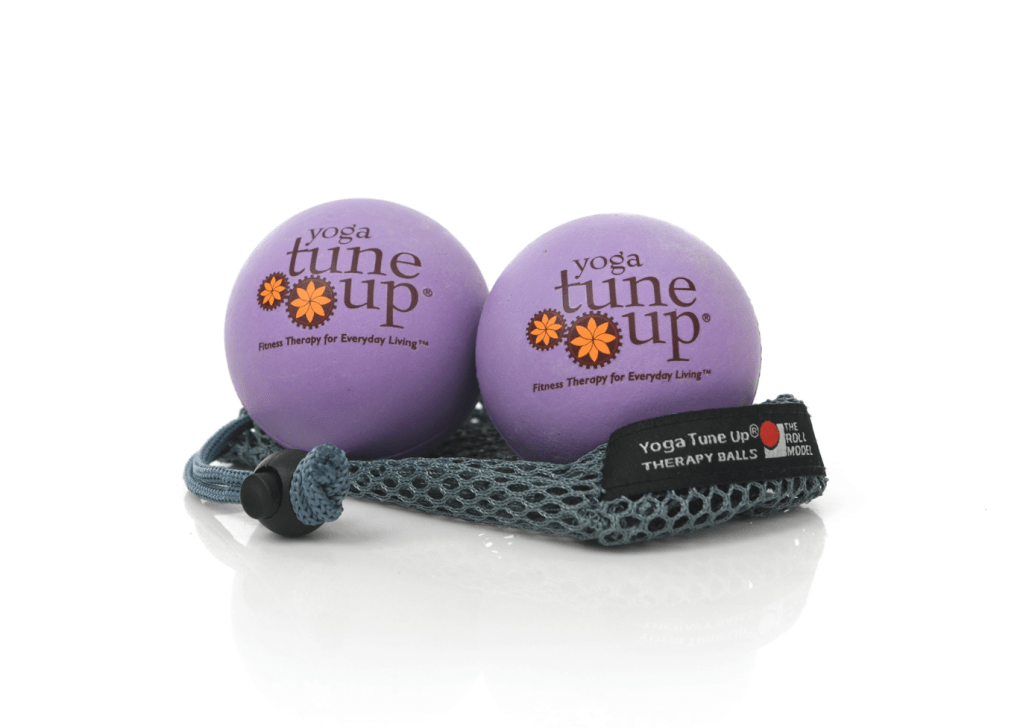
Treat the connective tissues of your body.
3. Build Goals That Support the Body, Not Fight It
A common belief in fitness culture is that more effort equals better results. In reality, pushing through pain, fatigue, or poor recovery often leads to setbacks. Sustainable goals respect how the body adapts and recovers.
Effective goal setting considers multiple components of health: strength to support joints, mobility to maintain range of motion, cardiovascular activity to improve endurance and energy, and recovery to allow adaptation. Ignoring any one of these elements can create imbalance.
Pain, recurring injuries, or constant soreness are signals and not obstacles to push through. Goals that account for these signals help prevent long-term issues and keep movement enjoyable. Rest days, lighter sessions, and mobility-focused work are not signs of weakness; they are part of a balanced plan.
Supporting the body means planning for longevity, not just short-term results.
4. Choose Consistency Over Intensity
Intensity is appealing because it promises fast results. However, intensity without consistency rarely leads to lasting change. Moderate effort repeated over time is far more effective than extreme effort followed by burnout.
Consistency may look different depending on the season of life. It could mean shorter workouts, fewer weekly sessions, or alternating harder days with gentler movement. What matters most is that the plan can be sustained.
Small, repeatable actions create momentum. Momentum builds confidence, and confidence encourages continued effort. Over time, these steady habits compound into meaningful progress.
Sustainable health is built through routines that feel manageable, not punishing.
5. Account for Stress, Recovery, and the Nervous System
Health and fitness goals don’t exist in isolation from stress, sleep, and emotional load. High stress levels can impact recovery, energy, and motivation, making even well-designed fitness plans feel overwhelming.
Including stress management and recovery as part of goal setting helps create balance. This may involve prioritizing sleep, incorporating breathing or relaxation practices, or choosing lower-intensity movement during particularly demanding weeks.
When the nervous system is supported, the body adapts more efficiently to exercise. Energy improves, motivation stabilizes, and recovery becomes more effective. Sustainable goals consider the whole person, not just physical output.
6. Plan for Flexibility, Not Perfection
Rigid goals often fail when life inevitably changes. Travel, illness, busy seasons, or unexpected responsibilities can disrupt even the best plans. Flexibility allows goals to adapt without being abandoned.
Instead of all-or-nothing thinking, sustainable goals include built-in options. For example, if a full workout isn’t possible, a short walk or mobility session still counts. If energy is low, reducing intensity is preferable to skipping movement entirely.
Flexibility keeps momentum going and prevents guilt from derailing progress. Consistency does not require perfection, it requires persistence.
7. Revisit and Adjust Goals Throughout the Year
Goals are not meant to be set once and forgotten. Bodies adapt, priorities shift, and what felt right in January may not fit in June or October. Regular check-ins help determine whether goals are still serving their purpose.
Reassessing goals allows for adjustments based on progress, challenges, or new needs. This approach encourages curiosity rather than judgment and supports long-term adherence.
Sustainable health is dynamic. Progress often comes from refining goals over time, not sticking rigidly to an outdated plan.
8. Focus on Function and Quality of Life
Health and fitness goals are most meaningful when they improve daily life. Feeling stronger during everyday tasks, moving with less pain, having more energy, and maintaining independence are valuable outcomes that often matter more than numbers on a scale.
Goals that prioritize function, such as improved balance, better posture, or easier movement, tend to be more motivating and sustainable. These improvements directly translate to real-life benefits.
When goals support daily living, fitness becomes a tool rather than a chore.
Next Steps: Support That Meets You Where You Are
For those looking ahead this year with clarity, confidence, and a plan that supports real life, professional guidance can help bridge the gap between intention and action. Core Focus Physio & Wellness offers physical therapy and fitness coaching designed to support long-term movement health, recovery, and performance.
Whether the goal is returning to activity after injury, addressing core or pelvic health concerns, or building a sustainable fitness routine that fits everyday life, personalized support can help turn realistic goals into lasting habits for the year ahead.
Disclosures & Disclaimers
Some of the links I share are affiliate links, including Amazon and select brand partners. If you choose to make a purchase through one of these links, I may earn a small commission—at no extra cost to you. This never influences my opinions. I only recommend products I’ve personally used, carefully researched, and genuinely love.
** The views and opinions expressed on this site belong to Vigeo Ergo Consulting LLC. Any advice or suggestions offered herein are not a replacement for medical advice from a physician or other healthcare professional. My blogs are for informational and entertainment purposes only. It is not a substitute for professional medical advice, diagnosis, or treatment.
 Core Focus Fit
Leave a comment